Walk barefoot across a basement or a converted garage in January and you know the feeling. The floor isn't wet and it isn't dirty. It's just cold, and it stays cold no matter how high you turn the thermostat.
That's the concrete. A slab sits on the ground, the ground stays cool all year, and concrete is very good at moving heat. When your feet touch a hard floor laid tight to the slab, the floor carries warmth out of your feet and down into the concrete. The air in the room can be comfortable while the floor still feels like a sidewalk.
So the question isn't only which floor is warmest. It's how much separation you can put between your feet and the slab.
How warm each floor feels over concrete
From warmest to coldest underfoot, for most rooms on a slab:
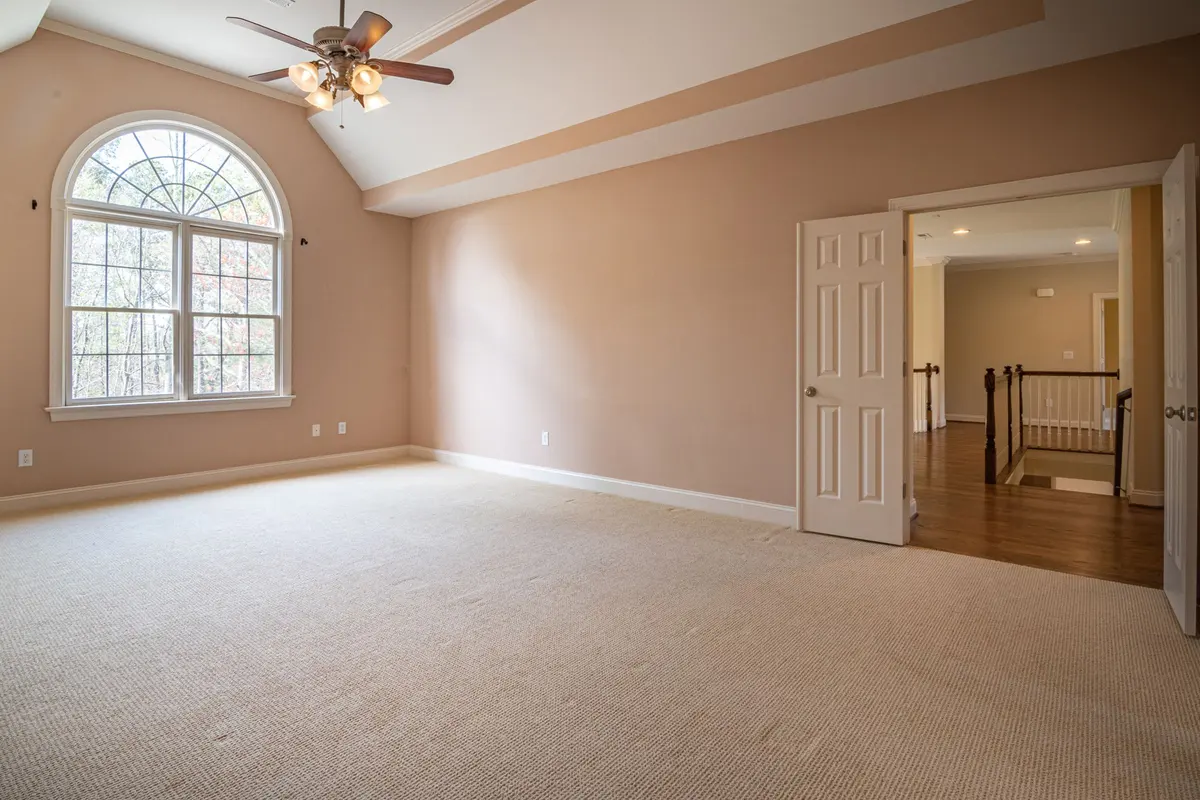
Carpet over a good pad. This is the warmest floor you can put on concrete, by a wide margin. The carpet fibers and the pad trap air, and trapped air is what insulates. A dense pad does double duty: it keeps the carpet from wearing early and it adds a real layer between you and the slab. For a basement family room or a bedroom on a slab, carpet is usually the most comfortable answer.
Luxury vinyl plank with an attached pad or underlayment. A floating LVP floor with a pad bonded to the back feels noticeably warmer than vinyl glued straight to the concrete. It won't feel like carpet, but it takes the bite out of the cold, and it has the advantage of a waterproof plank on a slab that may give off some moisture. Glue-down or floating vinyl plank covers which method fits which room.
Laminate over an underlayment. Laminate always floats over a foam or similar underlayment, which helps. It sits in about the same place as padded LVP for warmth, but it takes water worse, so on a slab it needs a moisture barrier and a dry slab.
Glue-down vinyl. Thin vinyl glued straight to the slab picks up the temperature of the concrete. It's durable and practical, but it's one of the colder floors underfoot.
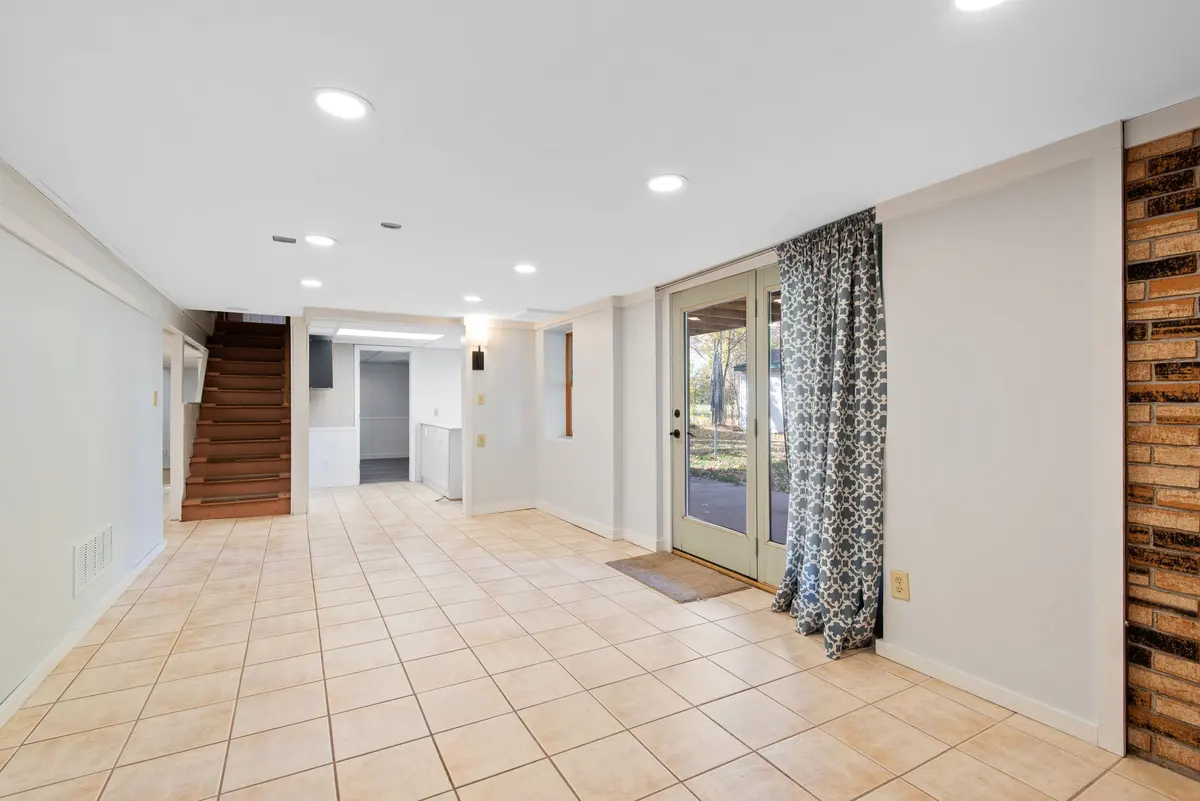
Tile. Tile and stone feel the coldest, because they conduct heat so well. Tile on a slab is excellent for durability and water, and it works beautifully with radiant heat, but without heat underneath it will feel cold in winter.
The layer underneath matters as much as the floor
Two LVP floors can feel quite different on the same slab depending on what goes under them. Ask about:
- Attached pads. Many rigid core planks come with a pad bonded to the back. It softens the floor and adds a little separation from the concrete.
- Underlayment. Some floating floors allow a separate underlayment, and some prohibit adding one on top of an attached pad. The manufacturer decides, and we follow their instructions so the floor stays flat and the joints stay locked.
- Moisture barrier. On a slab, a vapor barrier under a floating floor keeps moisture from coming up into the floor. It isn't insulation, but a dry floor feels warmer than a damp one.
- Carpet pad density. Over concrete, a denser pad holds up better and keeps its insulating loft longer. A thin, cheap pad flattens and the cold comes back.
Choosing carpet that lasts explains why pad is not the place to save money.
Moisture first, then warmth
Before warmth comes moisture. Concrete gives off water vapor from the ground below, and in the Willamette Valley, with a long wet season and high water tables in some neighborhoods, many slabs carry more moisture than people expect. A damp slab makes a room feel colder, can smell musty under carpet, and can break down adhesives.
We test the slab before we recommend anything. If moisture is high, the floor choice and what goes under it change. Flooring over concrete goes into the testing and the prep in detail.
Warming up a room on a slab
The floor itself helps. A few other things help more than people expect:
- Area rugs on hard floors. If you want LVP or tile for durability, a rug where you sit and stand gives you a warm spot underfoot without giving up the hard surface everywhere else.
- Carpet in the rooms where you sit still. A practical layout for many basements is LVP in the walkways, laundry and bar area, and carpet in the family room or bedroom. You get water resistance where it counts and comfort where you spend the evening.
- Seal the gaps. Cold air sneaks in at the rim joist and around basement windows. Sealing those makes the floor feel warmer.
- Radiant heat. If the slab or a new floor has radiant heat, tile and LVP feel warm. Radiant systems have their own rules on which floors can go over them and how hot they can run, so check the floor's specification before you choose.
- Socks and slippers. Not a flooring answer, but honest.
Basements, bonus rooms and garage conversions
Each of these rooms sits on concrete and each one has a different job.
Basements often double as family rooms or guest rooms. Carpet over a dense pad is the warm choice for living space, with padded LVP near any sump, laundry or outside door.
Bonus rooms and additions on a slab usually connect to the main house. Matching the main floor with a padded LVP keeps the house consistent, and a large area rug brings the warmth.
Garage conversions are often the coldest of all, because the slab may never have been insulated and can sit lower than the house floor. Leveling, moisture control and how the new floor meets the house all need planning before you pick a product.
What we'd do at your house
When we come out, we look at the slab, test for moisture, check how flat it is, and ask how you use the room. Then we'll show you samples of carpet and padded LVP side by side on your own floor, so you can feel the difference before you decide.
Norman's has been installing floors from Newberg since 1978, across Yamhill County and Portland's Westside. The showroom at 900 Industrial Parkway is open Monday to Friday, 9am to 5pm. Call (503) 538-8242 or book a free in-home estimate, and we will bring samples to your room.
Related services: carpet, luxury vinyl plank and laminate.