
Laminate Flooring
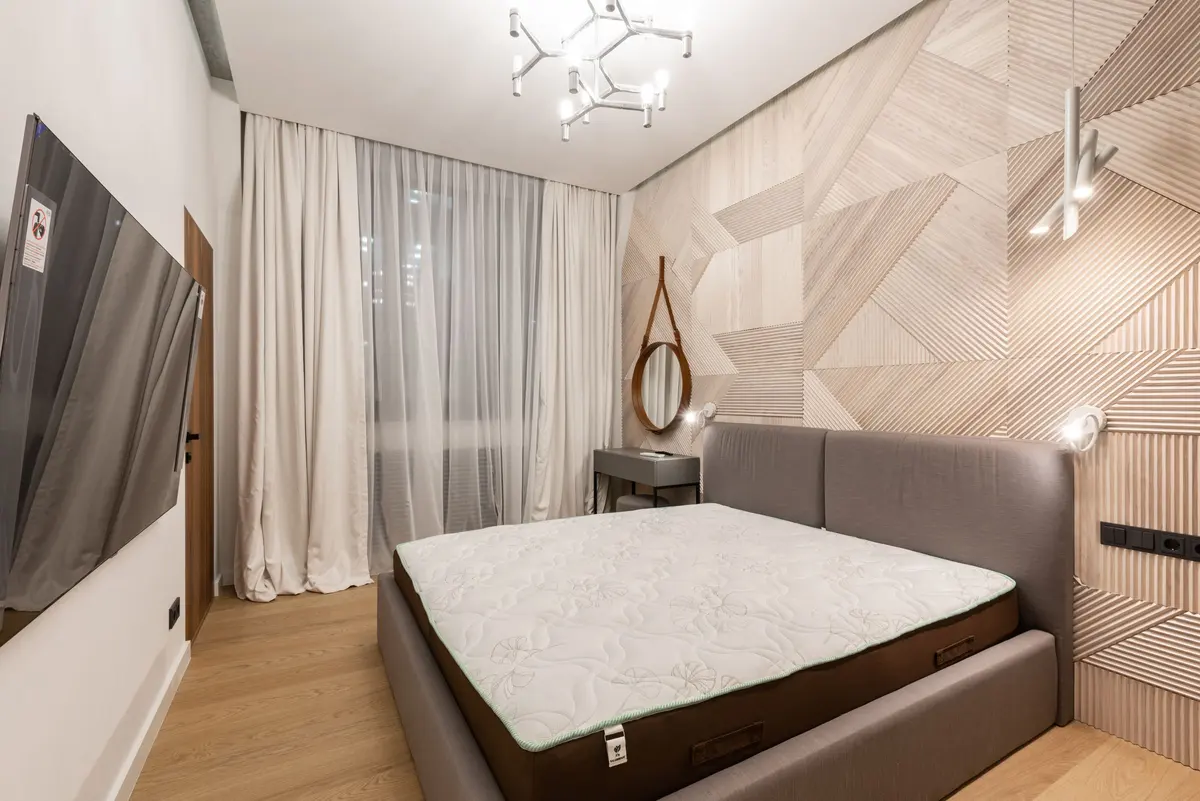
Most people's opinion of laminate was formed twenty-five years ago by a shiny, repeating floor that sounded hollow and swelled at every seam. Modern laminate is a different product, with a genuinely hard wear surface, deep registered embossing and much better edge treatment. It is one of the two things we sell most of, and it is often the right call where LVP gets recommended by reflex.
What changed, and why it is worth another look
Laminate earned its reputation honestly. Early products had a shallow printed layer, a short repeat that made the same knot appear four times in a room, bevels that collected dirt, and cores that swelled irreversibly the first time a pet had an accident. If that is the floor in your memory, the scepticism is fair.
What has changed is the surface and the seam. The wear layer on modern laminate is aluminum-oxide-based and is genuinely harder than the film on a vinyl plank, which makes it better at resisting the fine grit that walks in on shoes and scratches a floor over years. Registered embossing now tracks the printed grain, so the texture you feel lines up with the wood you see. Print repeats are far longer.
Where it still has a limit is standing water. The core is wood-based, and while water-resistant products have improved substantially, laminate is not the floor for a bathroom or a laundry. That single boundary is the honest dividing line between laminate and LVP, and it is the first question we ask about a room.
What's included
- Harder wear surface than vinyl — better against grit and scratching
- AC rating matched to household traffic
- Deep embossed textures that track the printed grain
- Subfloor flattened before installation
- Acclimated on site, with proper expansion gaps at every wall
- 10 year labor warranty, plus the manufacturer warranty on the material
When we recommend laminate over vinyl plank
In a living room, dining room, bedroom or hallway with no standing-water risk, laminate is frequently the better floor. It is harder, so it holds up to grit and pet claws better than a mid-range vinyl; it usually feels more solid underfoot; and pound for pound the visual quality at a given price tends to be higher. For a household without a particular water worry, that is a real advantage.
In kitchens, entries, bathrooms, laundries and any room where a leak is plausible, we will steer you to LVP instead, and we will say why rather than just presenting the more expensive option. In a house where both apply — which is most houses — running laminate through the living space and LVP through the wet rooms is a perfectly good answer, provided the transition between them is planned and not improvised.
The AC rating is the shorthand for how much traffic a laminate is built for. Higher ratings are made for heavier use, and a rating built for a shop floor is wasted money in a spare bedroom. We match it to the room the way we match carpet density: to how it will actually be walked on.
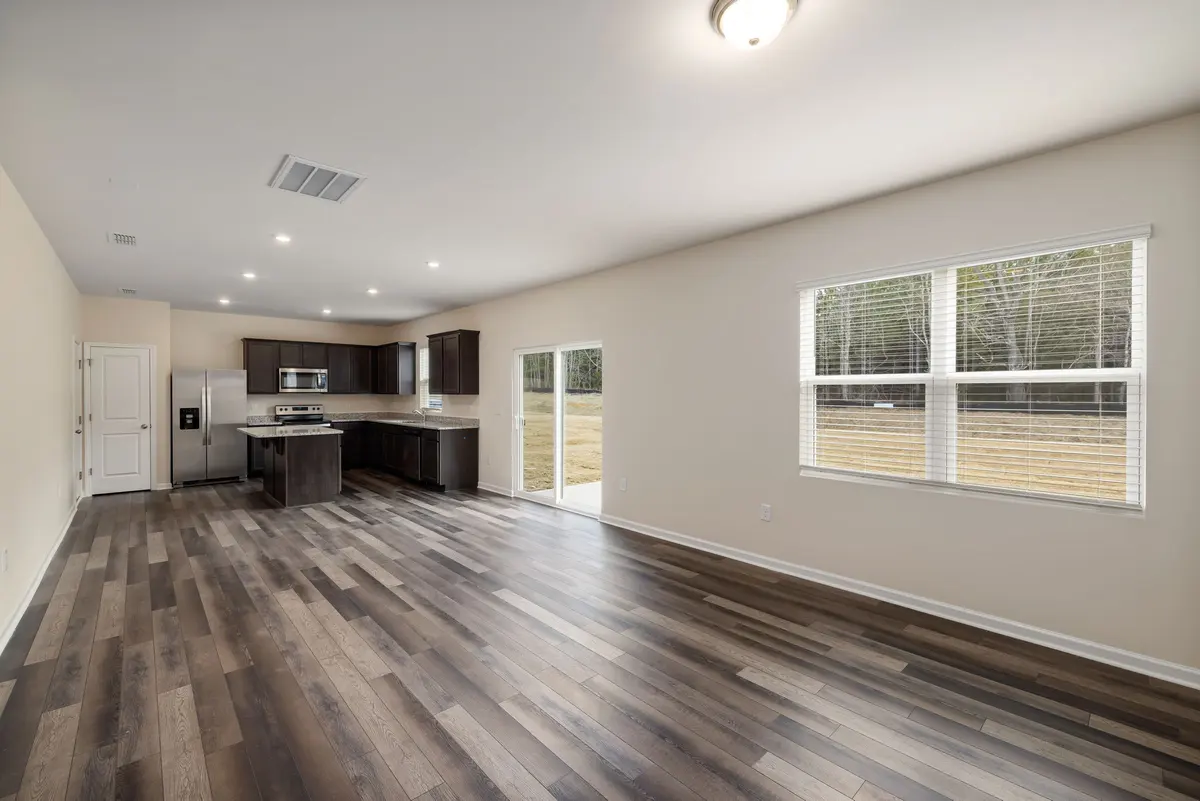
Laminate we've installed


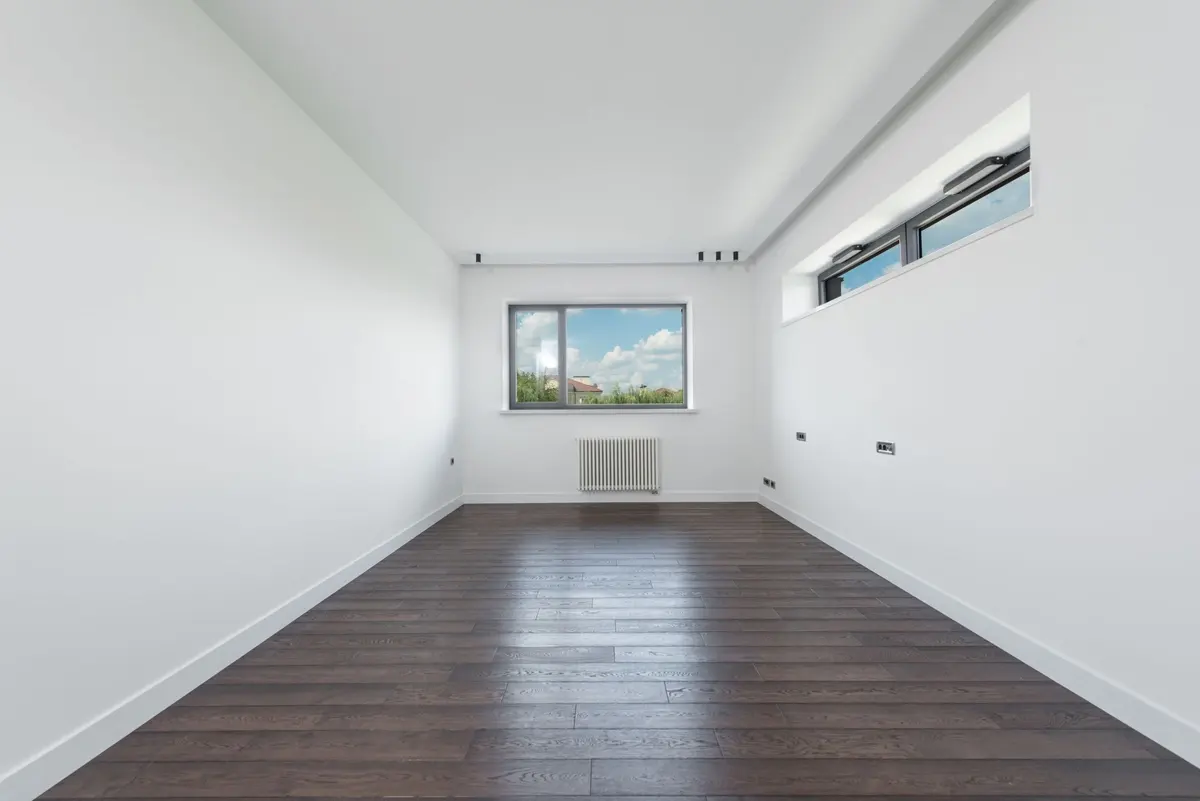
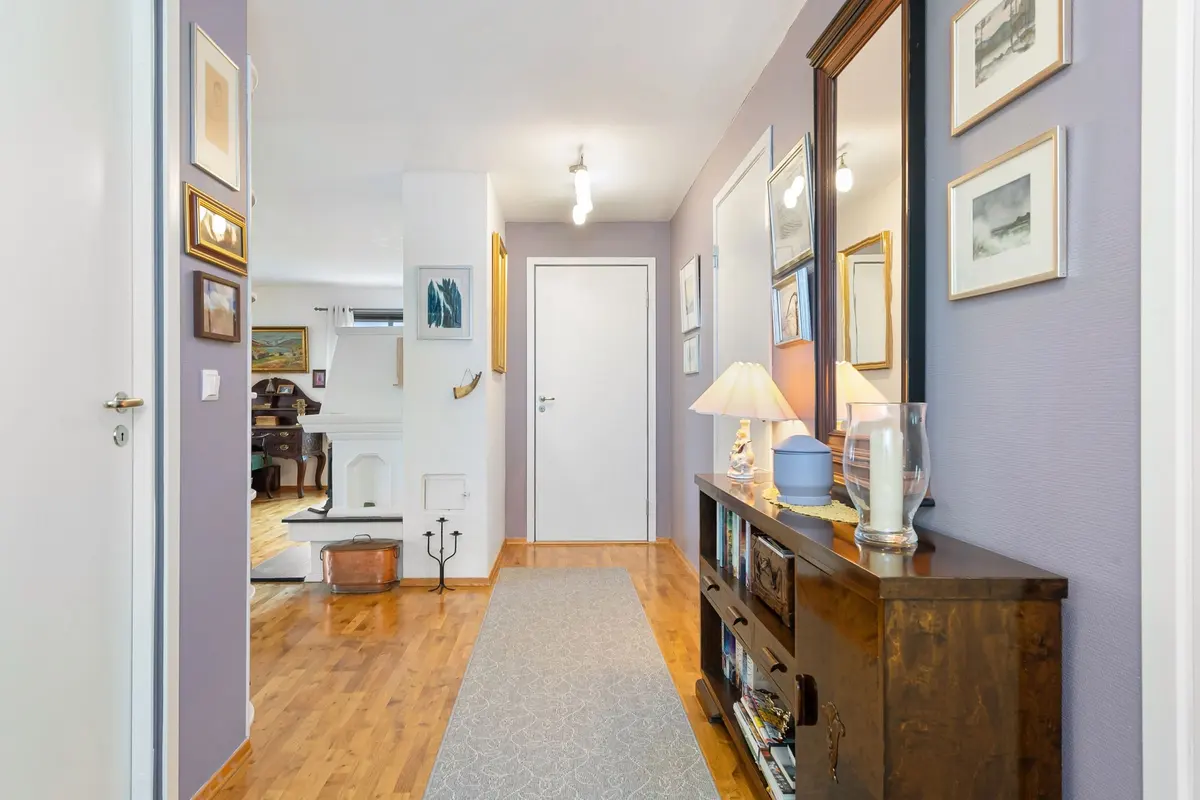

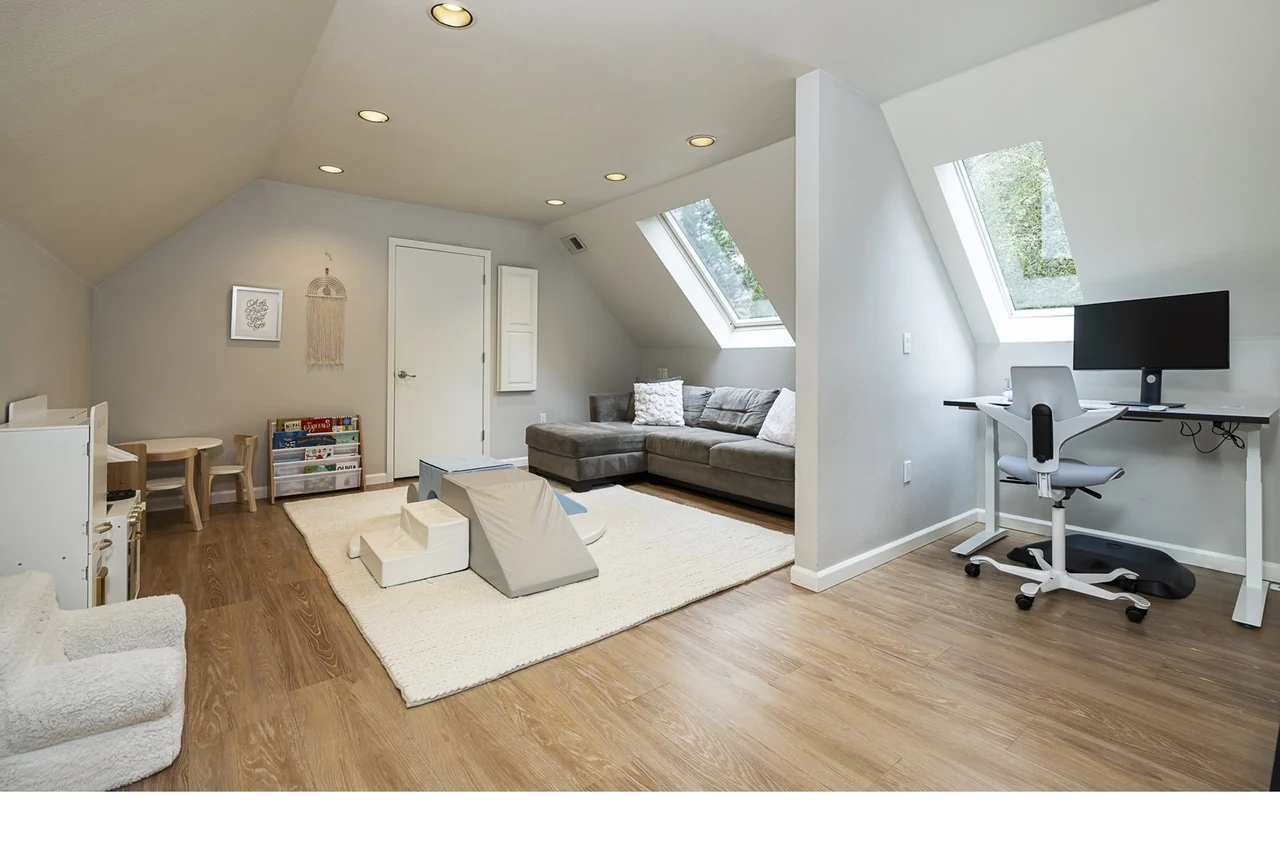
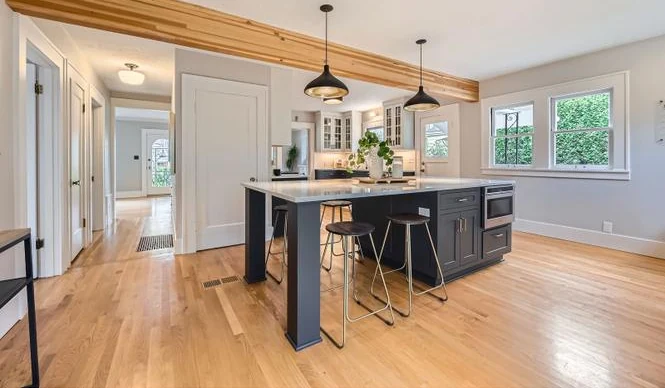
A floating floor lives or dies on the gap you cannot see
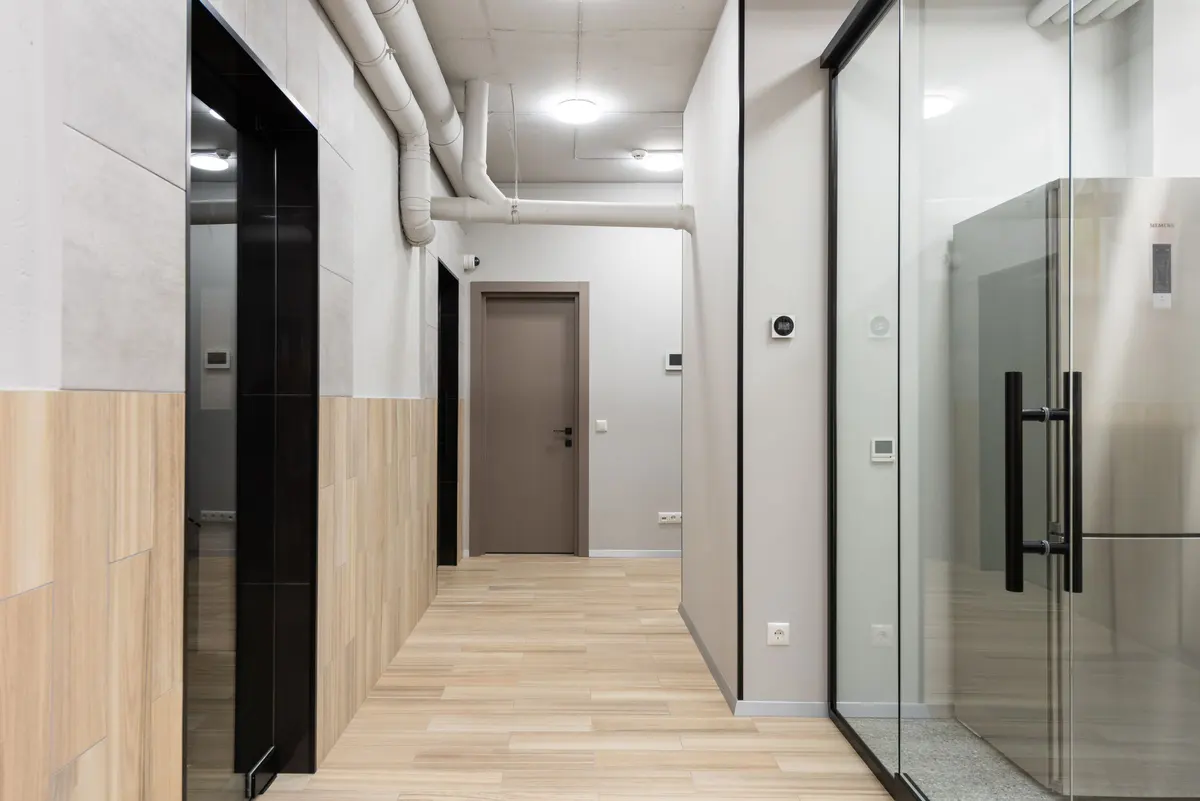
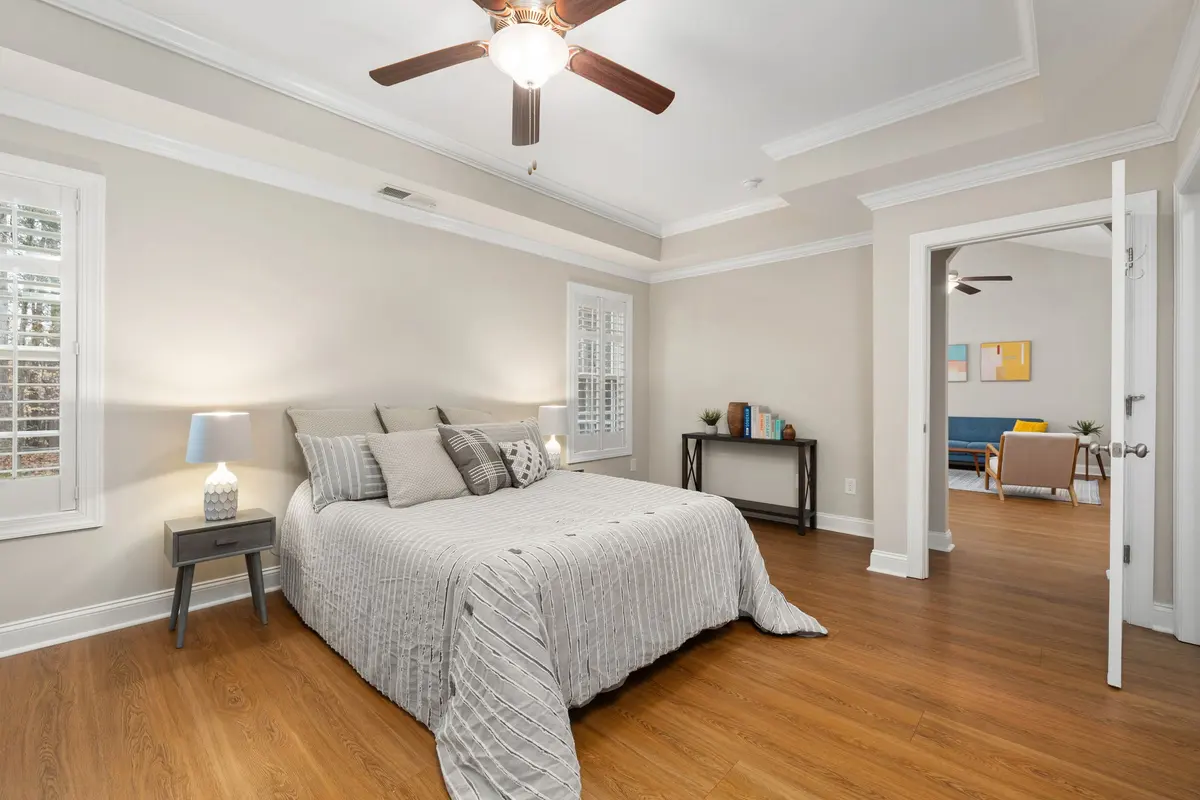
Laminate floats. It is not fixed to the subfloor, and the whole plane of it expands and contracts as the house moves through the seasons. That means the perimeter gap is not a detail — it is the mechanism by which the floor survives. Fit it tight to the walls and the only place that expansion can go is up, which is what people are describing when they say a floor has peaked or lifted at a seam.
Newberg swings from about forty inches of rain a year to warm, dry summers, and that annual cycle is exactly what the gap is there to absorb. We acclimate the material in the room before it is cut, leave proper expansion space at every wall, pipe and threshold, and hide it under the base or the shoe rather than filling it.
Underneath, the subfloor gets flattened. A floating floor bridging a dip flexes with every footstep, which is what creates both the hollow sound people associate with laminate and the joint failures that follow it. On the older housing around Newberg and McMinnville this is most of the work — plank subfloors that have moved over a century need attention before anything new goes on top.
Our installation carries a ten year labor warranty. The material is covered by its manufacturer's warranty, and it is worth knowing that most manufacturer warranties are conditional on exactly the acclimation and expansion requirements above, which is another reason we do not cut them.
What homeowners say
"Great customer service! Had a small issue with our laminate flooring that they installed 2 yrs ago, and they came out and fixed it in 10 minutes, no charge!"
Ned Knight Verified Google Review "Norman's just installed carpet and laminate in our condo and we couldn't be happier! From the expertise of Matt and Cindy helping us pick out appropriate flooring, to the installers, it was a top notch experience."
Andrea Johnson Verified Google Review
Laminate questions
Is laminate better or worse than luxury vinyl plank?
Neither, they are good at different things. Laminate has a harder wear surface and usually looks better for the money, so it wins in living rooms, bedrooms and hallways. LVP handles water, so it wins in kitchens, bathrooms, entries and laundries. Running both in one house, with a planned transition, is a common and sensible answer.
Can laminate go in a kitchen?
We would rather it did not. Kitchens have dishwashers, fridges with water lines and sinks, and the failure mode for a wood-cored floor is a leak that runs for a week behind a cabinet. Water-resistant laminates have improved a lot, but the honest recommendation for a kitchen is LVP or tile.
Why does some laminate sound hollow?
Almost always because it is floating over a subfloor that was not flattened, or over a missing or unsuitable underlayment. The plank is bridging a dip and drumming against the void underneath. Fix the subfloor and the sound goes away. It is a preparation issue rather than something inherent to the product.
Can you install laminate over concrete?
Yes, with the right preparation. Concrete releases moisture, so the slab is tested first and a suitable vapour barrier goes down before the underlayment. Skipping that step is how a floating floor over a slab ends up cupping a year later, so it is not something we treat as optional.
Flexible financing available
Other floors we install
-
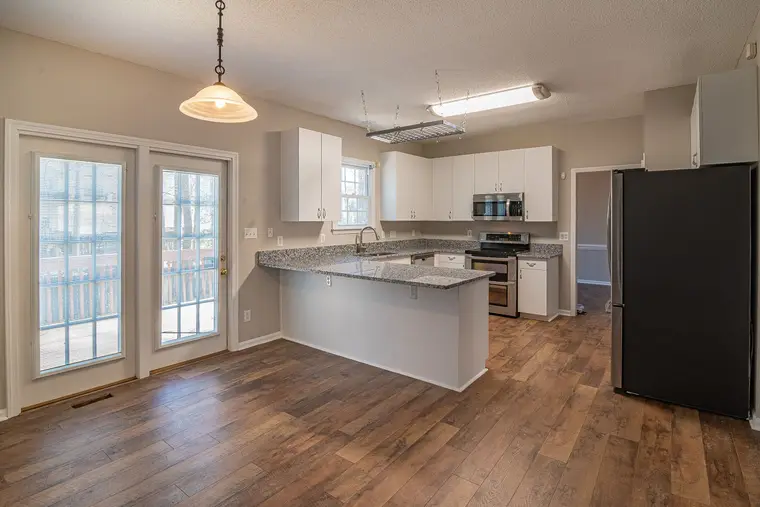
Luxury vinyl plank (LVP)
Luxury vinyl plank installed throughout Newberg and the surrounding valley — waterproof, hard-wearing and warm underfoot.
Learn more -
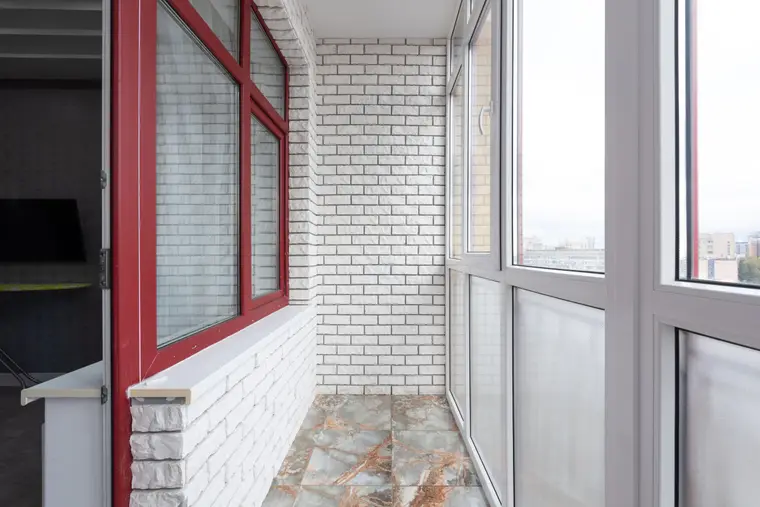
Tile
Tile work around Newberg with a particular specialty in tile showers — including the waterproofing behind them that nobody ever sees.
Learn more -
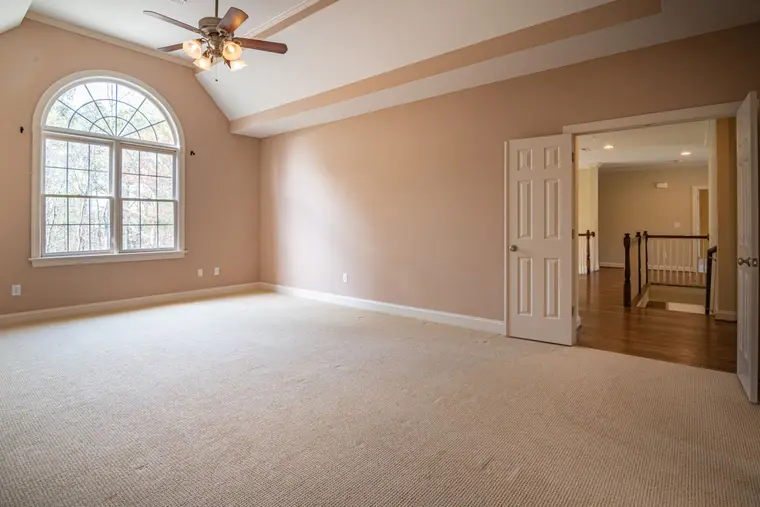
Carpet
Carpet supplied and installed across Newberg and the Willamette Valley, from bedroom re-carpets to whole houses.
Learn more -

Floor removal & demo
Floor removal and demolition around Newberg — the old floor out, the subfloor assessed, and the mess taken away with it.
Learn more -
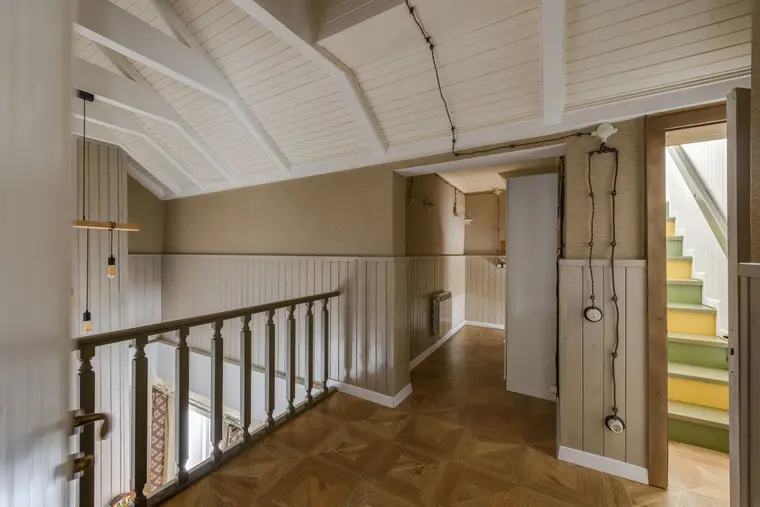
Stairs & trim
Stair and trim work across the valley's hillside towns — treads, risers, nosings and the transitions that finish a floor properly.
Learn more -
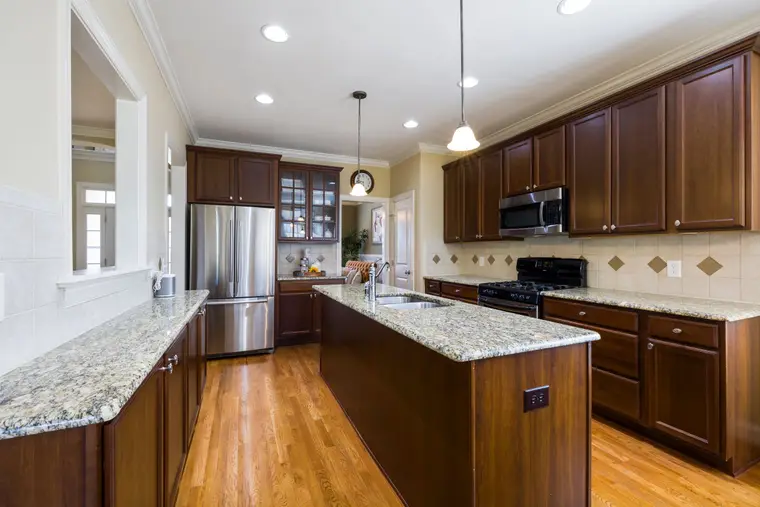
Quartz Counters
Quartz countertops for Newberg kitchens and bathrooms — templated, fabricated and installed as part of a full-service job.
Learn more -
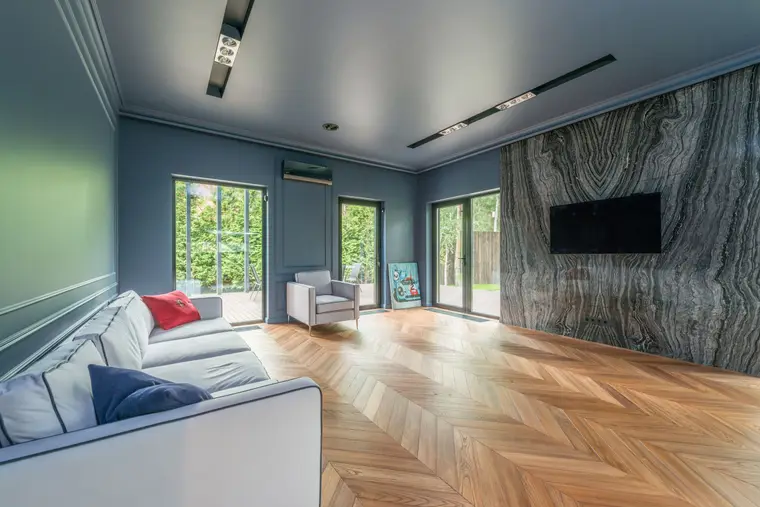
Commercial flooring
Flooring for offices, shops, clinics and other working buildings across Newberg and Portland's Westside, installed by the same crew that does our residential work.
Learn more
Advice on laminate
Flooring a Manufactured Home: What Is Different and What Works Best
A manufactured home takes the same floors as any other house, but the subfloor, the marriage line and the ducts underneath change how the job is done. What to check first, which floors work best, and where tile needs care.
Read the guide →Flooring for a Rental: What Survives Tenant Turnover
A rental floor is judged on different terms from the floor in your own house: how it survives a move-out, how quickly it can be repaired, and what it costs over ten years rather than on the day. What to put down, and where the money is better saved.
Read the guide →Stair Flooring: Carpet or Hard Surface, and What Decides It
Stairs are priced by the tread, walked a dozen times a day and the first place a poor install shows. How to choose between carpet and LVP or laminate on a staircase, and what is usually under the old carpet.
Read the guide →
Ready for floors you'll actually love?
Free in-home estimate, clear pricing, and a crew that shows up when we say we will.