Choosing flooring for your own house is about how you live. Choosing it for a rental is about how somebody else will live, and how the floor will look on the day they leave.
That changes the questions. It matters less whether a floor is lovely on the day it goes down and more whether it survives a couch dragged across it, whether a damaged section can be fixed without redoing the room, and how long before it has to be replaced. A floor that costs a little more and lasts through four tenants is cheaper than one that has to be redone after two.
This is how we would approach it.
What a rental floor has to do
- Survive move-in and move-out. Most of the worst damage to a rental floor happens on two days: the one the tenant arrives and the one they leave. Furniture is dragged, boxes are dropped, and a dolly is rolled across whatever is there.
- Shrug off water. Pet accidents, a plant that is overwatered for a year, a leaking dishwasher that nobody reports. A tenant who does not own the house is not going to notice a slow leak as quickly as you would.
- Be repairable. Damage to part of a floor should be fixable in part, not in whole.
- Be neutral. The floor has to suit the furniture of tenants you have not met yet.
Luxury vinyl plank: the usual answer
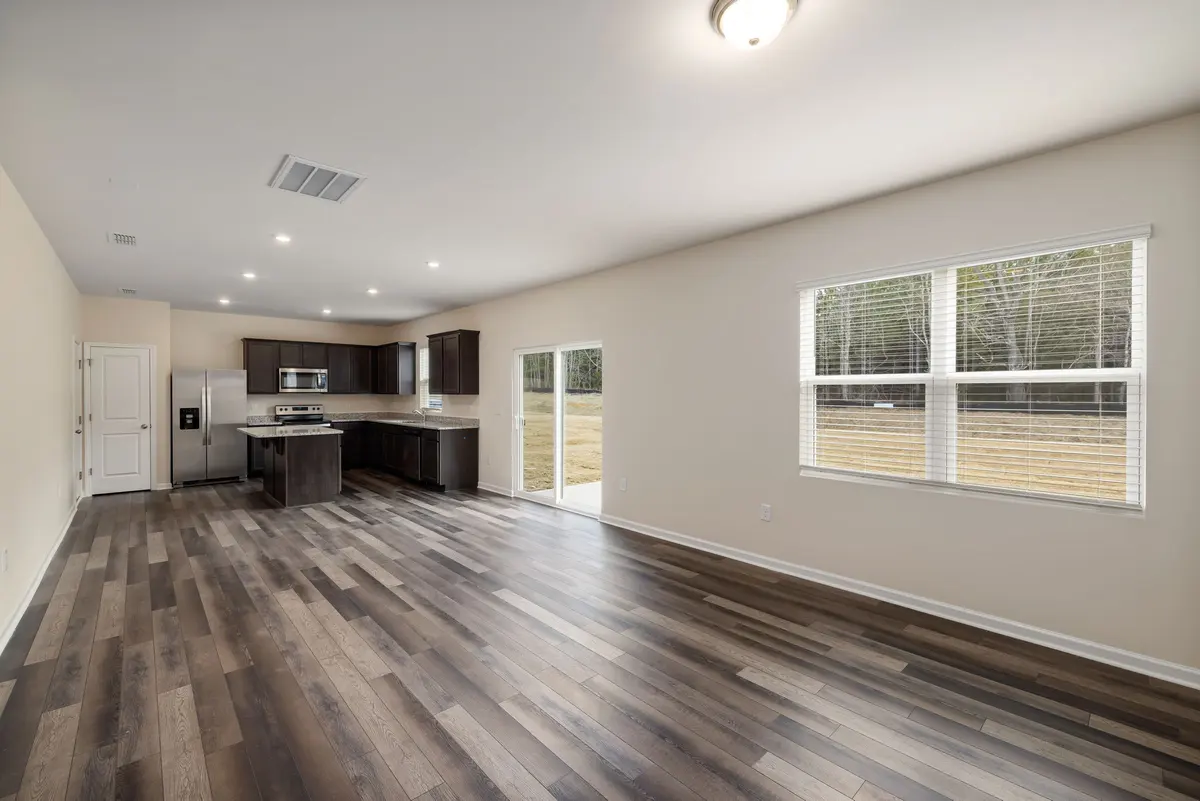
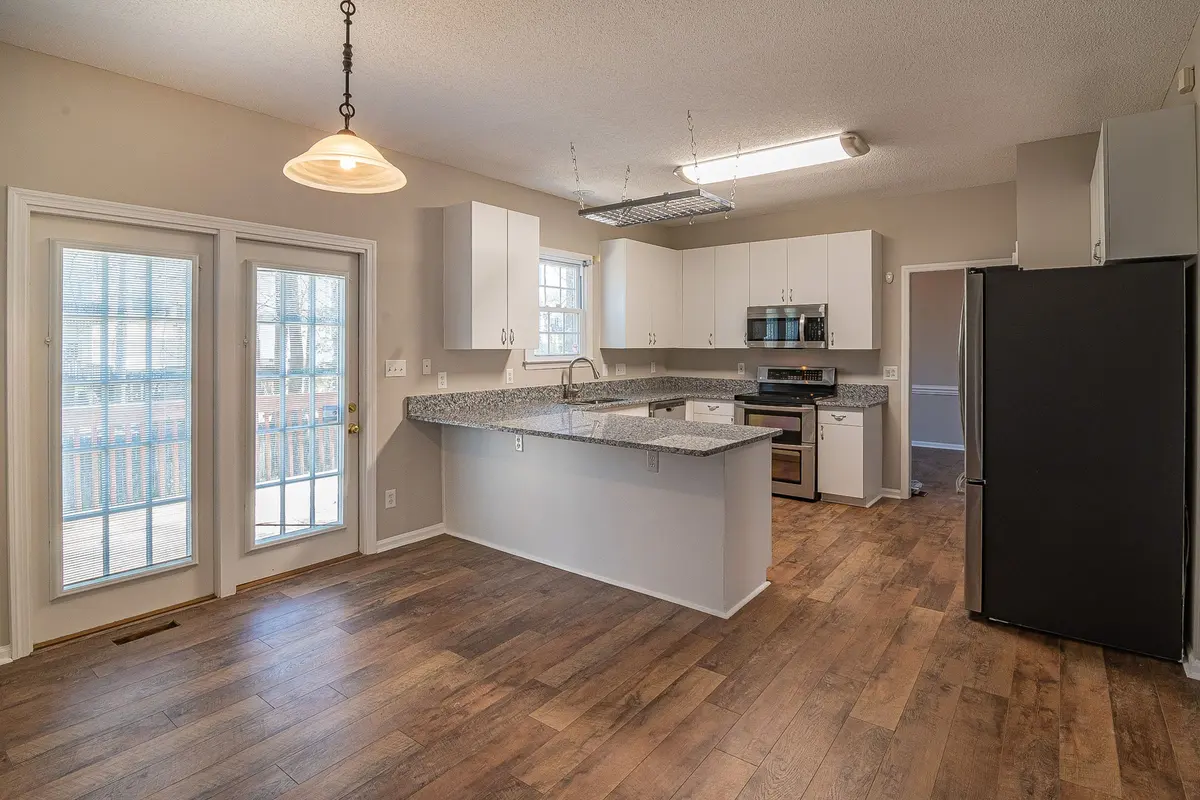
For the main living areas, kitchens and bathrooms of most rentals, LVP is the default for good reason.
It is water resistant. A spill, a pet accident or a drip from under the sink is wiped up, not a claim on the deposit and a new floor.
It is repairable. Most click-together LVP can be taken up and individual planks replaced, so a gouge in the middle of a room is a repair, not a replacement.
The wear layer is the number that matters. The wear layer is the clear top coat that takes the abuse. It is measured in mils. A thin residential wear layer is fine in a bedroom in your own house. In a rental, a heavier one, around 20 mil, is worth paying for, because it is the difference between a floor that looks tired after one move-out and one that still looks good after several. The LVP installation cost guide shows what moves the price, and the wear layer is one of the few places where spending more reliably saves money later.
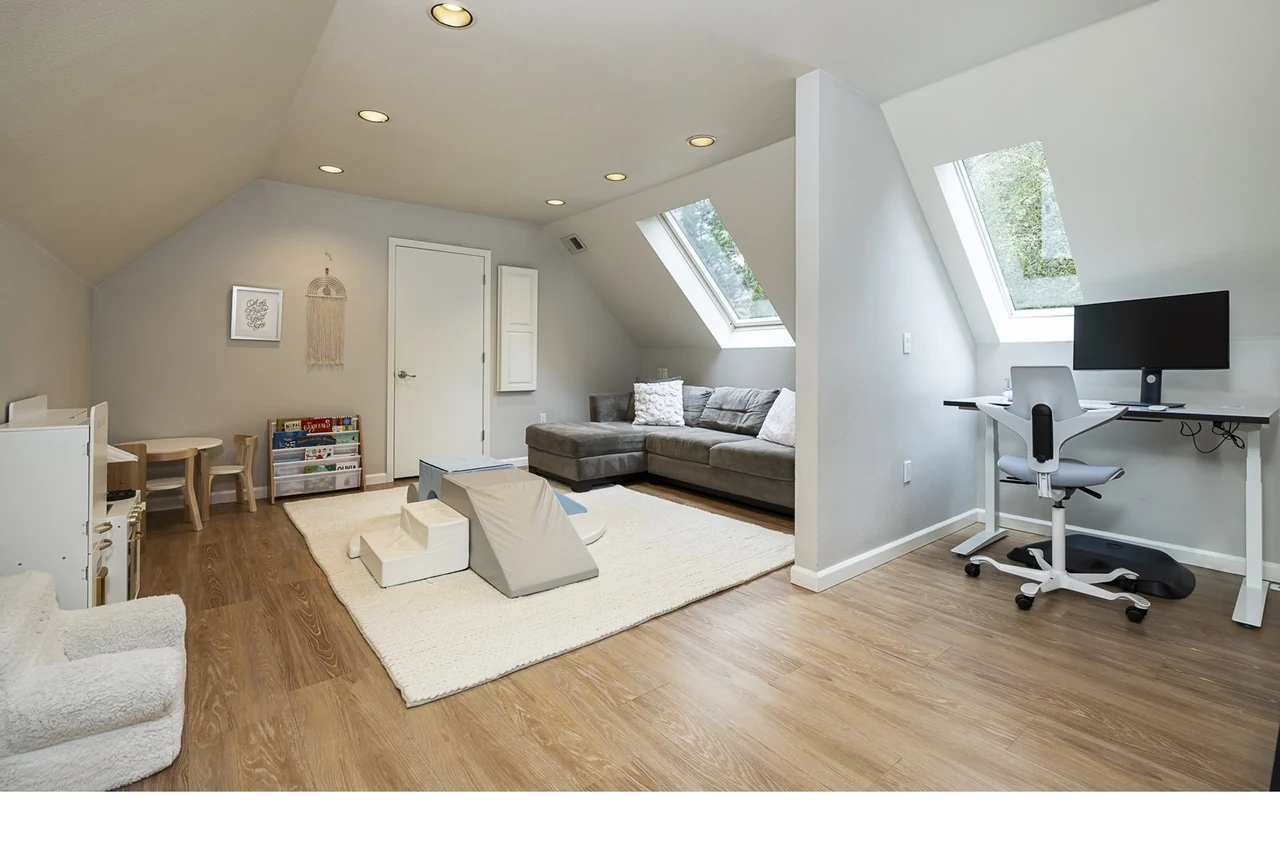
Keep the color in the middle. Very dark floors show every scratch and every speck of dust. Very light floors show dirt in the traffic lanes. A mid-tone wood-look with some variation in the grain hides the most.
Laminate: where it fits
Laminate has a harder surface than LVP and resists scratches very well. It is a sound choice for the bedrooms and living rooms of a rental. It is less forgiving of water, so we would not put it in the kitchen, bathroom or laundry room of a unit where you cannot count on spills being wiped up promptly. Laminate vs luxury vinyl plank sets out the trade-off.
Carpet: yes, but chosen differently
Carpet still has a place in a rental. Tenants like it in bedrooms, it keeps the noise down between floors in a multi-unit building, and it is warm in an Oregon winter.
It is also the flooring most likely to need replacing between tenants, so it pays to choose it carefully.
- Go dense rather than plush. A dense, lower-pile carpet stands up to traffic and cleans better than a deep, soft one, and it does not show furniture dents as badly. Our guide to choosing carpet that lasts explains how to read density.
- Choose a solution-dyed fiber. Solution-dyed carpet has the color running through the fiber rather than dyed onto the surface, so it stands up to bleach and stain treatments far better.
- Do not skimp on the pad. A cheap pad is how a good carpet wears out early. It is also the part that absorbs pet accidents, and once it has, replacing the carpet alone does not get rid of the smell. The pet-friendly flooring guide explains why.
- Keep it to the bedrooms. Carpet in a hallway or a living room of a rental takes the most traffic in the house and wears out first.
Tile in a rental
Tile is almost indestructible in a bathroom or an entry and will outlast several tenants. The weak point is the grout, which stains in a unit that is not cleaned regularly, so a darker or sealed grout is worth specifying. Tile is also more expensive to install and harder to repair than LVP. For most rentals, we would keep it to the bathrooms, and not always there.
Keep spare material
This is the cheapest advice in this guide, and the most often ignored.
When the floor goes in, keep a box or two of the same material in the garage or the storage unit. Flooring lines are discontinued and colors change from one production run to the next. When a tenant damages a few planks three years from now, the spare box is the difference between replacing three planks and replacing the room.
Doing the whole unit at once
It is tempting to replace only the rooms that are worst. On a rental that usually leads to a unit with three different floors and a transition in every doorway, and it means taking the unit off the market more than once.
If the unit is empty between tenants, that is the moment to do all of it. The unit is off the market for the shortest time, the furniture is already gone, and one floor running through the living areas looks better in the listing photos than a patchwork. How long new flooring takes gives a realistic idea of the schedule.
How we can help
If you are laying the floor yourself, a big-box store is a reasonable place to buy the material, and we said as much in flooring store vs big-box. If you want it measured, supplied and installed, the main thing we need to know is when the unit will be empty, since installing into an occupied rental means coordinating with the tenant and moving their furniture. Call us when the notice goes in rather than on move-out day, and we can have the measure done and the material ordered before the unit is vacant.
Financing through Wisetack is available if you would rather spread the cost of doing a whole unit at once. Every install carries a ten year labor warranty on our work, and the manufacturer's warranty covers the material.
Norman's has been in Newberg since 1978, and the showroom at 900 Industrial Parkway is open Monday to Friday, 9am to 5pm. Call (503) 538-8242 or book a free estimate.
Related services: luxury vinyl plank flooring, carpet installation and laminate flooring.