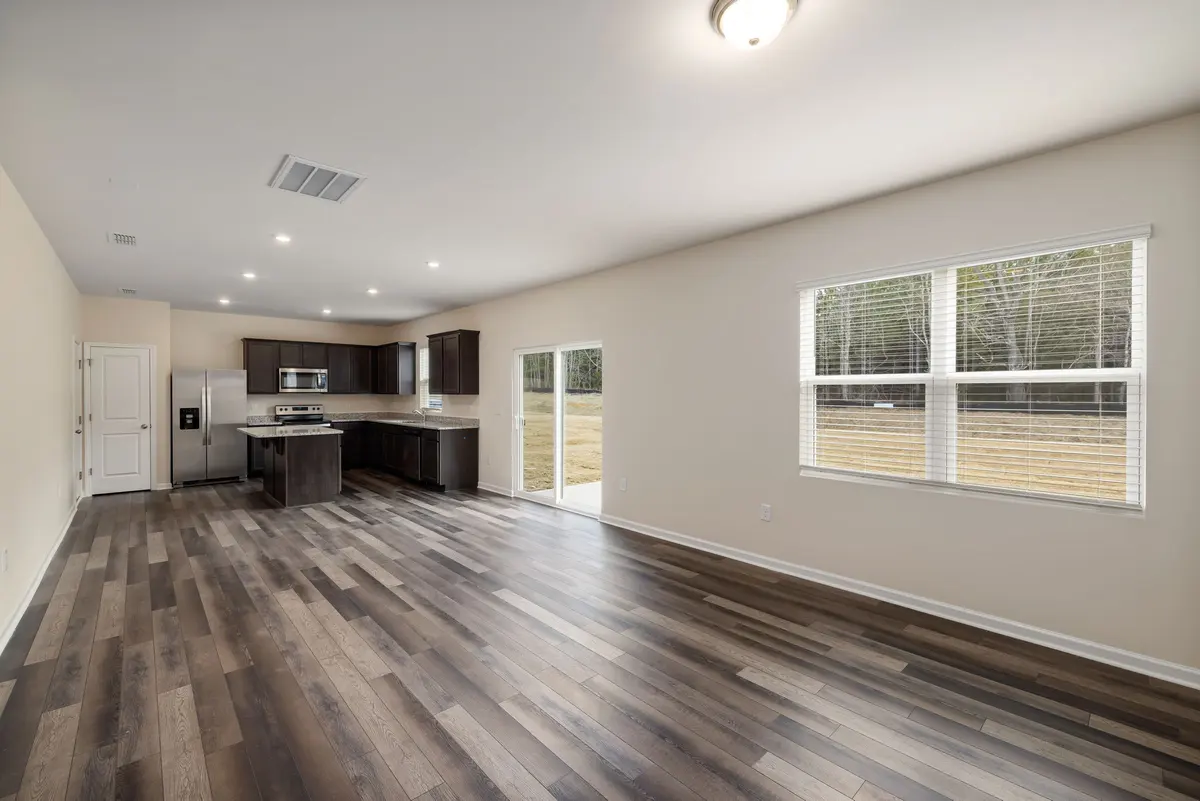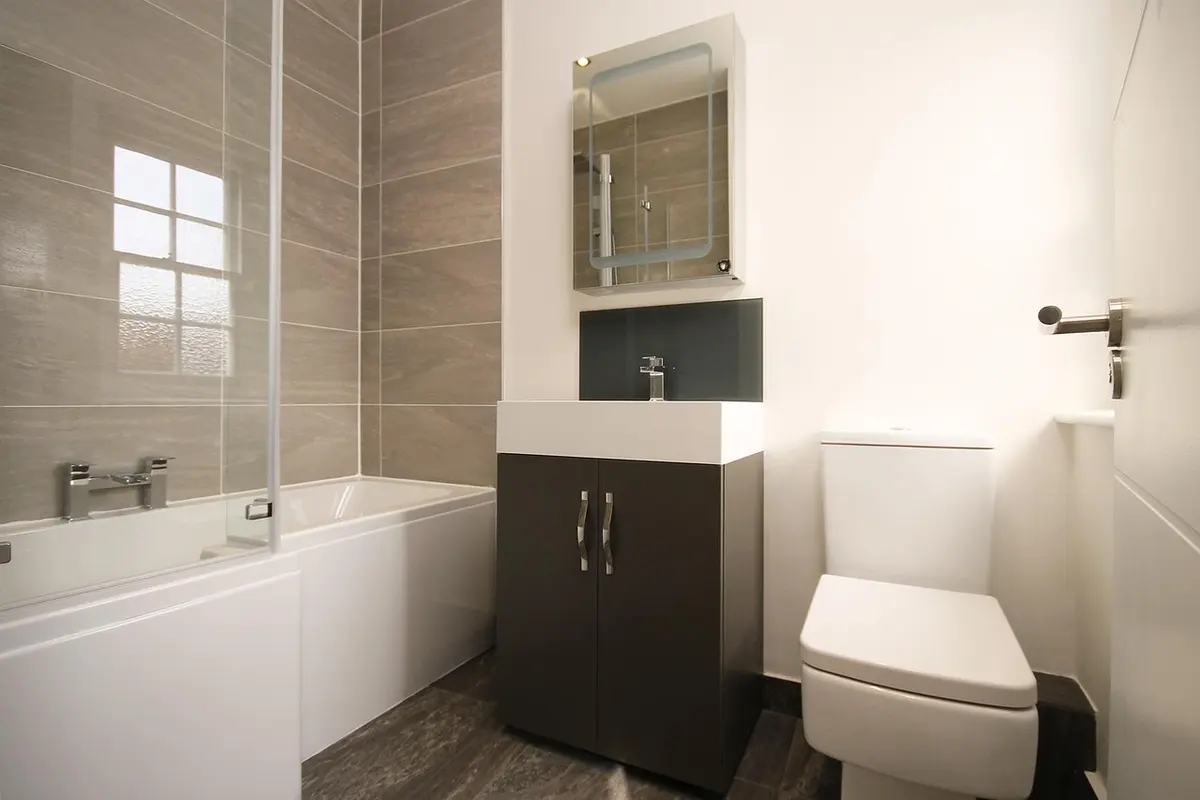
Counters are one of the four things we specialise in, alongside carpet, laminate and luxury vinyl plank, and tile showers. They come up on a lot of jobs because a kitchen floor and a kitchen counter are frequently the same project, and it is simpler when one company measures both.
Here is what is worth understanding before choosing.
What quartz actually is
Engineered quartz is not a slab cut from the ground. It is crushed natural quartz — typically around ninety per cent by weight — bound with a polymer resin and pigment, then formed into slabs.
That matters for two practical reasons.
First, it is non-porous. There are no capillary channels for liquid to travel into, so it does not need sealing, and it does not absorb wine, oil or coffee. That is the single biggest day-to-day difference from natural stone.
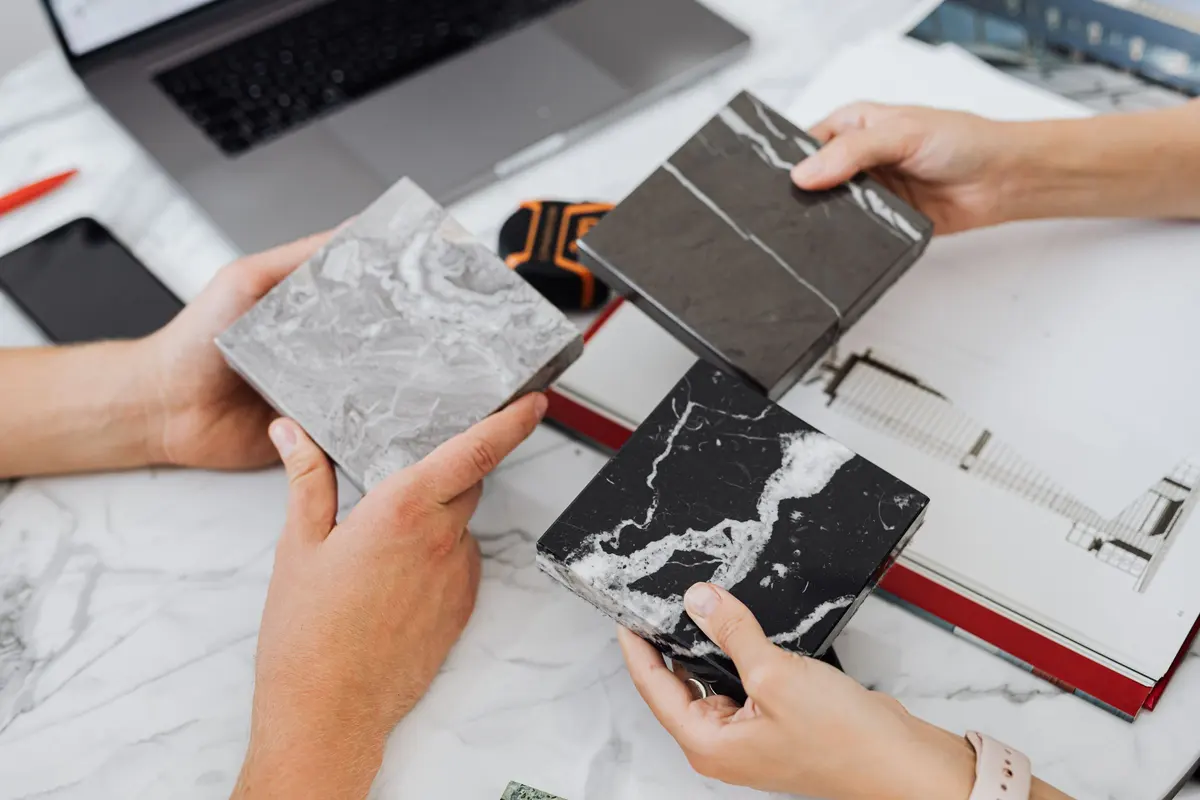
Second, it is consistent. Because the pattern is manufactured, the slab you see in the showroom is a reliable guide to the slab you get. With natural stone, every slab is different and you really do need to look at the actual slab being used.
What quartz is good at
Stains. Being non-porous, it shrugs off the things that mark natural stone. No sealing, ever.
Consistency. If you want a clean, even surface with no dramatic variation, quartz does it far more reliably than natural stone.
Hygiene. Nothing soaks in, so it wipes clean.
Edges and cut-outs. It machines predictably, so complex edge profiles and undermount sink cut-outs come out cleanly.
Where quartz is not the right answer
Heat. This is the important one, and it is where quartz is genuinely weaker than granite. The resin binder is a polymer, and direct heat can scorch or discolor it — and the damage is permanent. A pan straight off the hob onto a quartz counter can mark it. Trivets are not optional.
Direct sunlight, outdoors. UV degrades the resin, causing fading and yellowing over time. Quartz is an interior material. For an outdoor kitchen, granite or porcelain is the correct choice.
Very large unbroken runs. Slabs have a maximum size, so a long run will have seams. A good fabricator places them where they are least visible and color-matches the fill, but on a heavily patterned quartz a seam is harder to disguise than on a plain one.
Quartz against the alternatives
Granite is natural stone. It handles heat better than quartz and every slab is unique, which some people want and others find too busy. It is porous, so it needs sealing periodically, and it can stain if a spill sits.
Marble is beautiful and high-maintenance. It is softer, it etches when it meets anything acidic — lemon juice, vinegar, wine — and the etching is a dulled spot in the surface rather than a stain, so it cannot be cleaned off. Fine for someone who accepts a patina; frustrating for someone who wants it to stay pristine.
Solid surface can be seamed invisibly and repaired by sanding, which is a real advantage. It is softer and less heat-tolerant than quartz.
Porcelain slab is extremely heat and UV tolerant, which makes it the outdoor answer, and it can be very thin. Edges and cut-outs need more care.
The details that decide the job
Edge profile
A square or eased edge reads modern and shows the material thickness honestly. A bullnose or ogee reads traditional. Sharper profiles chip more readily than softened ones if something heavy is dropped on them.
Sink
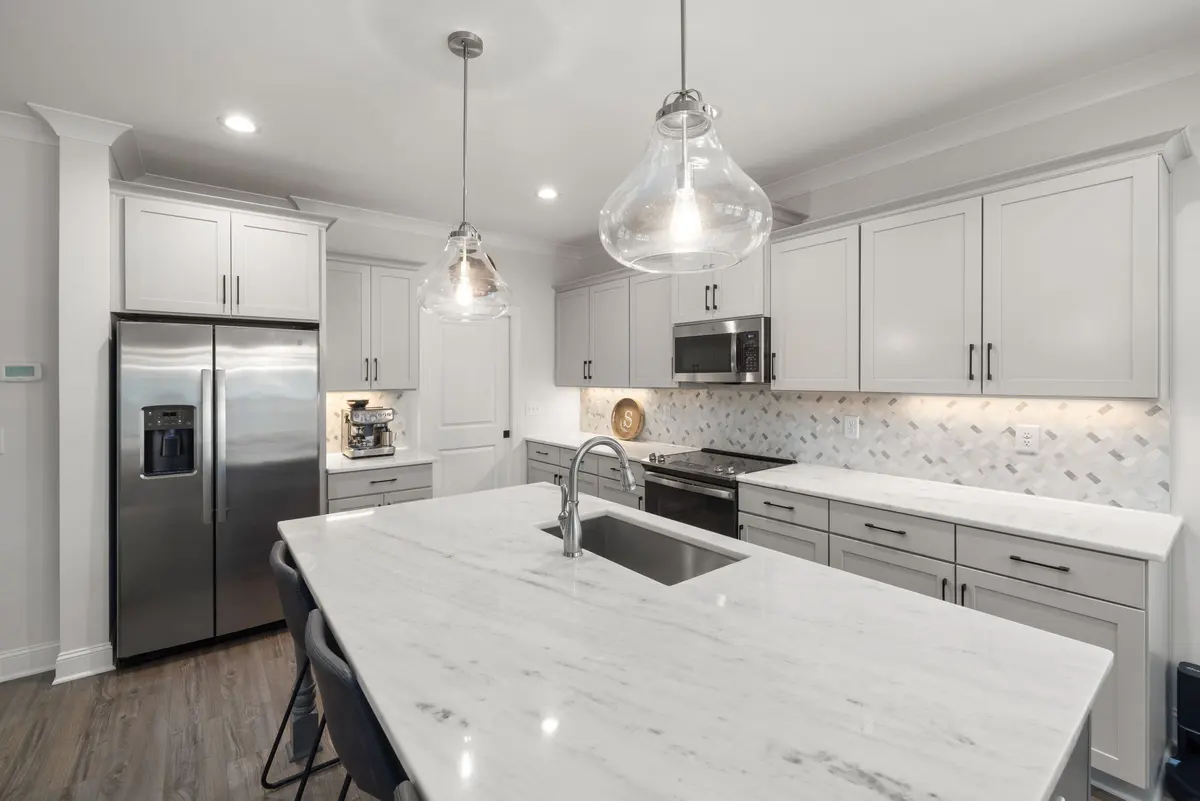
An undermount sink is cut into the slab and makes wiping crumbs into it possible, which is the main practical argument for it. It requires the counter material to be capable of carrying the cut-out, which quartz is.
Overhang and support
An overhang for seating needs support beyond what most people expect. The unsupported span depends on the material and thickness, and beyond it the counter needs brackets or a corbel. This is worth settling at the design stage, because retrofitting support to an island is awkward and visible.
Backsplash
A slab backsplash in the same material gives a continuous, seamless surface with no grout line at the counter. A tiled backsplash gives more design freedom and costs less. Both are fine; the decision is aesthetic.
Templating
Counters are templated after the cabinets are in and level, not before. Kitchen walls are not straight and cabinet runs are not perfectly square, and a template taken from a drawing rather than from the actual installed cabinets is how gaps at the wall happen.
This is the reason for the gap in the schedule between cabinets going in and counters arriving, and it is not a stage to compress.
How we work
We measure in person. On a counter job that is not a preference, it is the only way it can be done accurately — the template comes off the real cabinets in the real room.
We would rather talk you through where quartz is the right answer and where it is not than sell you the material with the best margin. If your household regularly puts hot pans down without thinking about it, that is a genuine argument for granite, and we will say so.
What we do not do is take on repair work for countertops, tile or hard surface flooring on projects we did not install, because we cannot warrant a system we did not build. Cambria, the quartz we use, is described alongside the flooring names in the brands we carry.
Norman's Floor Covering has been in Newberg since 1978 and is licensed with the Oregon Construction Contractors Board under CCB 103259. Our installation work carries a ten year labor warranty. Come and see samples at 900 Industrial Parkway, Monday to Friday.
Related services: quartz countertops.