
Get three quotes for the same 1,200 square feet and you will very often get three numbers that are thousands apart. People assume that means somebody is overcharging. Usually it means the three quotes are not describing the same job.
This is a guide to reading them — what a flooring price is actually made of, which line items move it most, and what gets quietly left out of the cheap one.
A flooring quote is four numbers, not one
Every real quote is these four things added together, whether or not the paperwork separates them:
- Material. The floor itself, plus underlayment or pad, plus trim and transitions. Priced per square foot, ordered with waste.
- Labor. Putting it down. Varies enormously by material, and by how complicated the room is rather than how big it is.
- Tear-out and disposal. Removing what is there and hauling it away. See floor removal and demo — with tile or glued-down vinyl this is a real line, not a rounding error.
- Prep. Whatever the subfloor needs before anything can go down. This is the one that moves.
When a quote comes in much lower than the others, one of those four is missing. Nine times out of ten it is prep or tear-out, and it does not stay missing — it comes back as a change order once the old floor is up and everyone is standing in an empty room.
Material is what people shop, and it is only half the job
Almost everyone starts by comparing per-square-foot material prices, because that is the number on the sample tag. It is worth knowing that on a typical installed job, material and labor land in roughly the same range as each other. Doubling your material budget does not double the job, and halving it does not halve it either.
Which is a useful thing to know, because it means the difference between an entry-level plank and a genuinely good one is a smaller share of the total than it looks on the tag. On luxury vinyl plank the meaningful upgrade is wear layer thickness and a rigid core. On carpet it is density and the pad. Both are worth paying for. Both are a fraction of the whole number.
We do not publish per-foot prices on this site, and we would rather say why than pretend. The same product installed in a straightforward 1,000 square foot ranch and in a 1930s house with stairs, radiators and four doorways is not the same job, and a number on a web page would be wrong in one of those two cases. The measure is free, and it is what turns a range into a price.
Where the surprises actually live
The subfloor. Nobody knows what is under the old floor until the old floor is off. Plank subfloors that have separated, a soft spot by a toilet, an unlevel patch where a wall used to be, or old glued-down layers that have to come off. We wrote a whole guide on what we find under an old floor, because it is by far the most common reason a job costs more than the first conversation suggested.
Stairs. Stairs are priced by the tread, not by the square foot, and for good reason — treads, risers, nosings and the landing transitions take a skilled installer a long time. A house with a flight of stairs is a different job from the same square footage laid flat, which matters in a lot of West Linn and Lake Oswego houses. See stairs and trim.
Transitions and trim. Every doorway needs something. Base shoe or quarter round has to come off and go back or be replaced. On a floating floor the expansion gap has to be covered. It is small money per item and it adds up across a whole level.
Furniture and appliances. Moving a house full of furniture is labor. Disconnecting a toilet for a tile job, or pulling a fridge and a range, is labor. Some quotes include it and some assume you have already done it.
Height differences. Change materials and you change floor height. Where a new floor sits taller than the old one, doors may need trimming and transitions get more involved.
What each material tends to cost to install, relative to the others
Not in dollars — in order, which is the part that holds true:
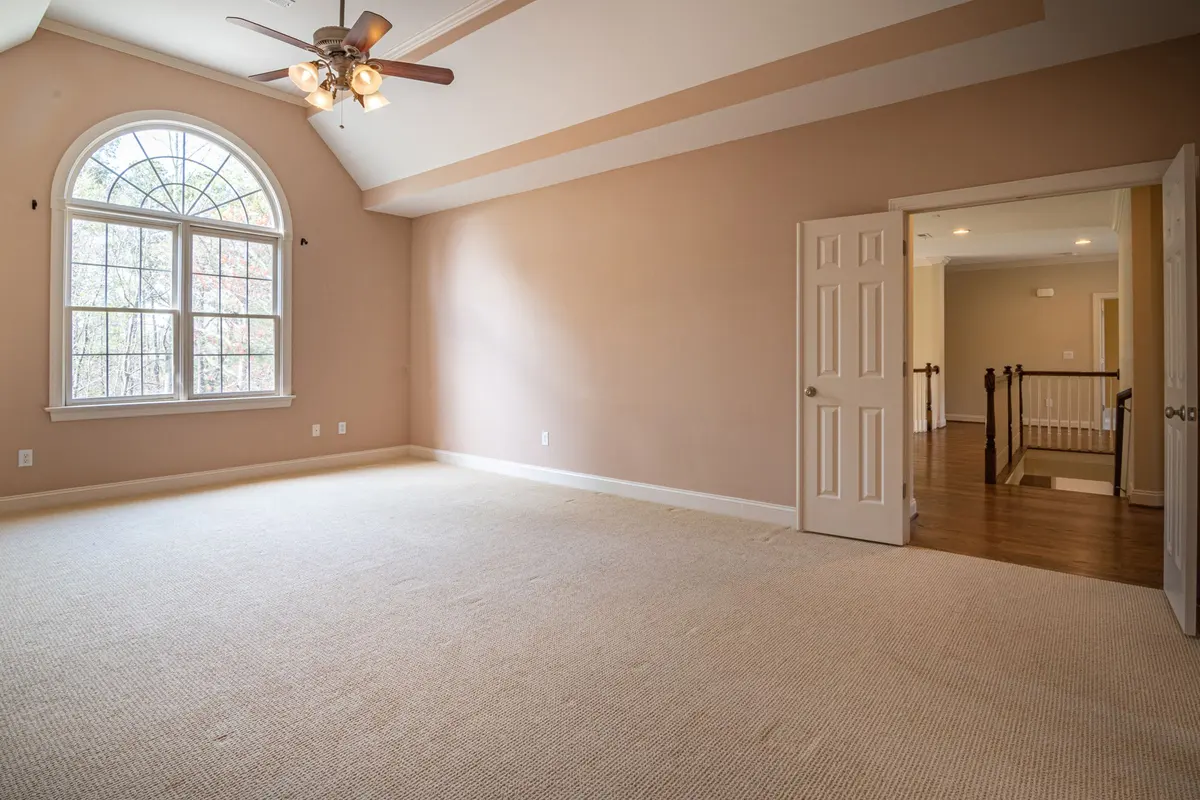
- Carpet is usually the cheapest installed floor in a house, and the fastest.
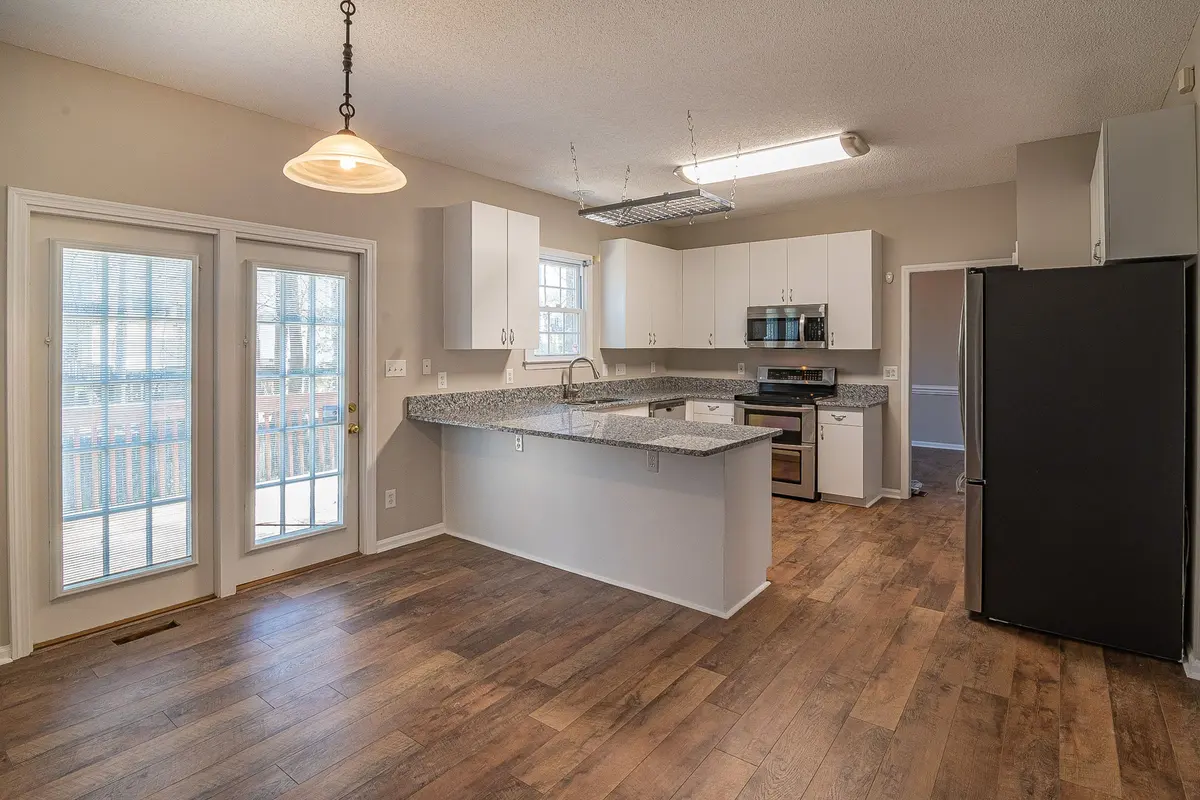
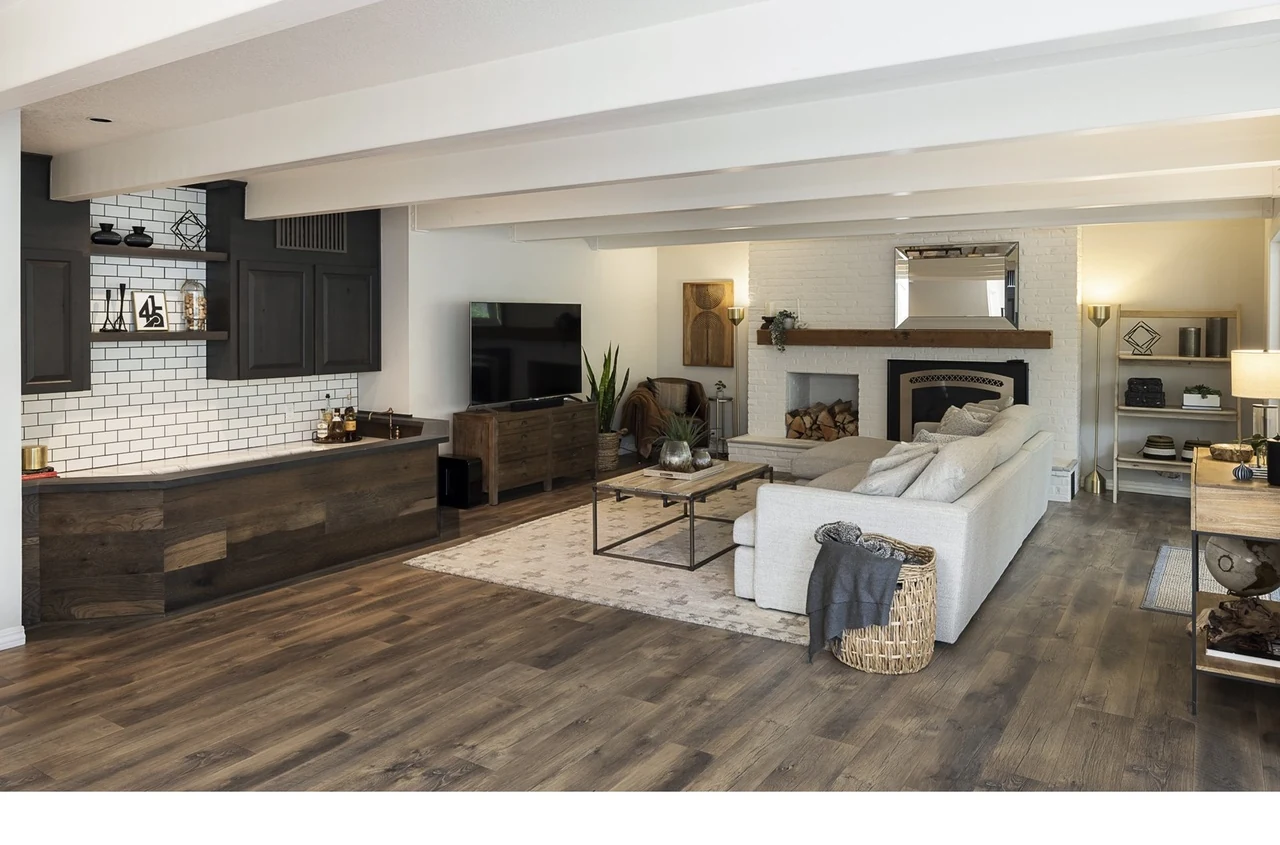
- Laminate and LVP sit in the middle. As floating floors they go down quickly, and the labor is mostly proportional to how cut-up the rooms are.
- Tile is consistently the most expensive to install, and it is not close. Backer board or a decoupling membrane, waterproofing in a wet area, mortar, layout, cutting, grout and sealing — it is several days of skilled work rather than one. See tile.
- Quartz counters are their own thing entirely: templated, fabricated and installed as slabs, priced by the slab and the edge detail rather than by the foot of floor.
The measurement people get wrong
Rooms are not quoted at their exact square footage. Every job is ordered with waste, because planks get cut at walls, patterns have to be offset, and the last row of a room is rarely a full plank. How much waste depends on the layout, the plank size and whether the material has a pattern to match. A diagonal or herringbone layout uses noticeably more.
Two things follow. First, a quote based on a rough number from a listing sheet is not a quote. Second, order the extra box and keep it. Colors get discontinued, dye lots change, and a box in the garage is the difference between a repair that disappears and a repair that shows. That is the same reason matching flooring across a house is harder than it sounds a year later.
How to compare two quotes fairly
Put them side by side and check each of these is on both:
- Tear-out of the existing floor, and hauling it away
- Subfloor prep, and what happens if more is found once it is opened up
- Underlayment or carpet pad, named by specification rather than "included"
- Moving furniture, and disconnecting appliances or toilets where relevant
- Trim, base shoe and transitions at every doorway
- Stairs priced separately, if there are stairs
- The warranty on the labor, not only on the material
If one quote is silent on three of those, it is not cheaper. It is shorter.
Making it affordable without making it cheap
Two things work far better than buying down the material.
Phase it. Do the main level now and the bedrooms next year. If you go this route, buy all the material at once and store the rest — same dye lot, same product, no discontinued-line problem later.
Finance it. We offer financing through Wisetack, which for most people is the difference between doing the job properly once and doing it cheaply twice.
Get a real number
The estimate is free, we come to the house, and we bring samples so you are choosing a color in your own light rather than under showroom lighting. You get a firm price with the prep already looked at, not a per-foot rate with a shrug attached. For the two materials we install most, what carpet installation costs and what LVP installation costs go line by line through the quote.
Norman's has been doing this from Newberg since 1978, and every install carries a ten year labor warranty on top of the manufacturer's warranty on the material. Book an estimate and we will walk the rooms with you.