Almost every seller we meet in Newberg and Sherwood has had the same conversation. The agent walks the house, stops in the living room, and says the floors need to go. The seller does the math on a house they are about to hand to somebody else and does not love the answer.
Both of them are right some of the time. The useful thing is knowing which time this is.
The question that actually decides it
It is not "are these floors old". It is dated or damaged.
A dated floor is sound. The carpet is a color nobody has chosen since 2009, the vinyl is a pattern you would not pick, the laminate looks like laminate. Nothing is broken. A buyer walks in, registers that they will change it eventually, and carries on looking at the house.
A damaged floor is different. Buckled planks, a soft spot underfoot, curled vinyl at a seam, carpet with stains you can see from the doorway, a floor that squeaks like a boat. A buyer does not register that as "I will change it eventually." They register it as *what else is wrong with this house*, and they start looking for the next thing.
Dated costs you a little. Damaged costs you a multiple of what fixing it would have cost, because the buyer is no longer discounting a floor. They are discounting a risk, and they are not the ones who have to be reasonable about the number.
What a buyer actually takes in
Nobody looks at your floor. They look at the entry, the main living space, and — before either — they smell the house.
That order matters, because it means the money is not spread evenly. New flooring in a back bedroom nobody photographs does very little. The entry, the hallway that runs off it, and the main living area do nearly all the work, and they do it in the first ten seconds and again in the listing photos.
Smell is the one people underestimate. A house with pet-soaked carpet reads as *dirty*, and no amount of paint fixes it. That is not a flooring problem, it is a sale problem, and it is the clearest case in this whole article for pulling the floor before it goes on the market.
When replacing pays for itself
- Pet damage, especially with any smell. This is the strongest case there is. See what we find under an old floor — with pets the subfloor usually needs sealing too, and new carpet over an untreated subfloor smells again within a month.
- Four different floors in four connected rooms. Patchwork reads as deferred maintenance even when every piece is sound. One material through the main level is the single biggest visual change you can buy.
- Water damage of any kind. Curled vinyl, swollen laminate joints, a stained edge by the dishwasher. Buyers assume a leak, and an inspector will chase it.
- A soft or bouncing floor. That is a subfloor conversation, and it will come up at inspection whether or not you raise it.
- Carpet in the entry. It looks worn faster than anything else in the house and it is where every buyer arrives.
When it does not
- Real hardwood in honest condition. Scratched hardwood still sells the house. Covering it costs you the thing buyers pay a premium for, and a great many houses on Portland's Westside have oak under the carpet that the owner has forgotten about. Look before you spend.
- A sound floor that is simply out of fashion. You will not recover the cost, and the buyer who cares has already priced their own taste into the offer.
- A house priced as a project. If the listing is going to attract someone planning to gut it, new floors are a gift to a person who is about to skip them.
- A high-end custom home. At that price point buyers want their own selections, and a mid-grade replacement can read as cheap in a house that otherwise is not.
The flooring allowance, and why it disappoints
The tidy answer is a credit at closing. Three thousand dollars off, buyer picks their own floor, everybody happy.
It rarely works out that way, for a plain human reason: a credit is a number on a page, and a new floor is a photograph. The credit does not make the house show better, does not widen the pool of people who fall for it at the open house, and does not stop anyone deciding in the entry that this house needs work. Meanwhile the buyer discounts it against the hassle of arranging the job themselves, so a three thousand dollar credit almost never lands as three thousand dollars of perceived value.
An allowance is the right move in one situation: when the buyer is already committed and is genuinely going to pick something specific. It is a negotiating tool, not a marketing one.
If you are replacing, do not buy the cheapest thing
This is where sellers lose money going the other direction. Builder-grade carpet in a thin color photographs as builder-grade carpet. It saves a few hundred dollars and undoes most of the reason you did the job.
What works, over and over:
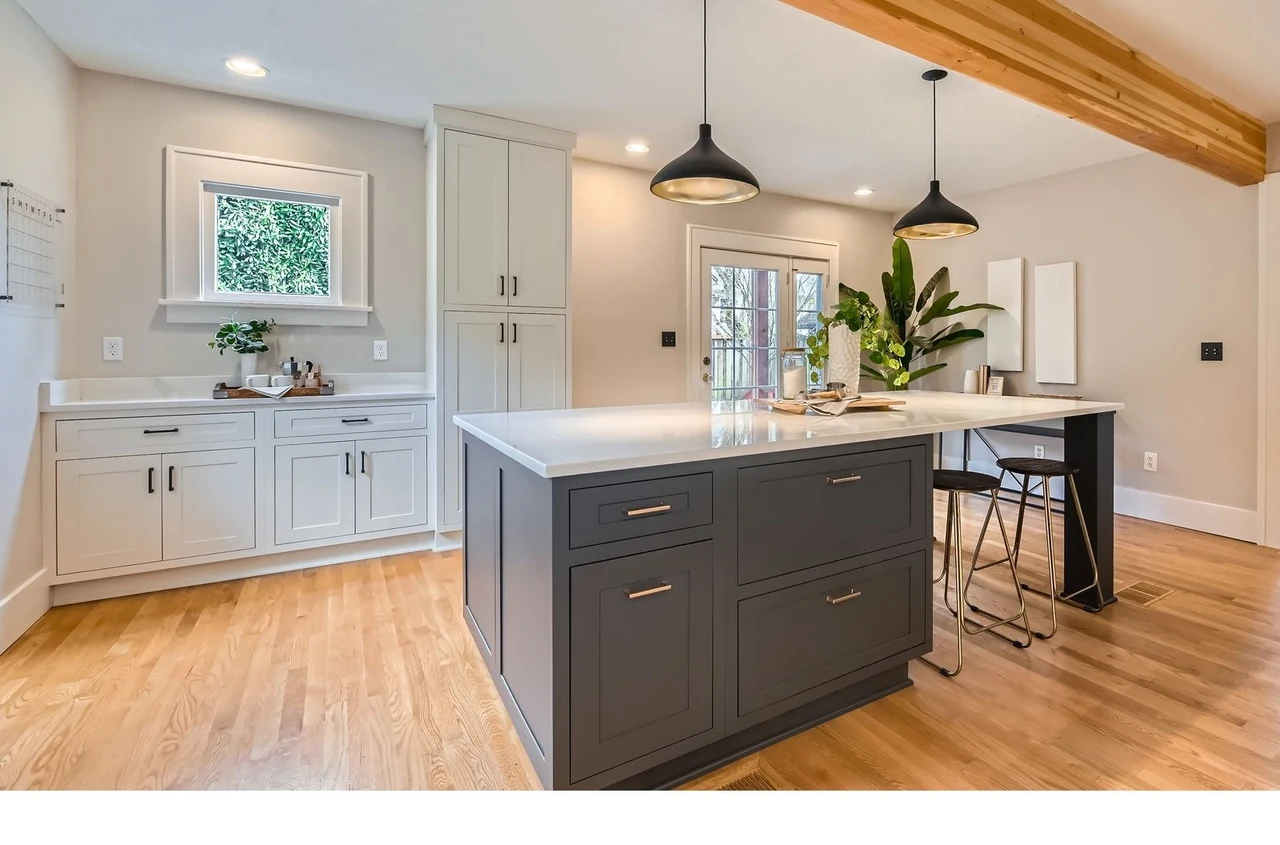
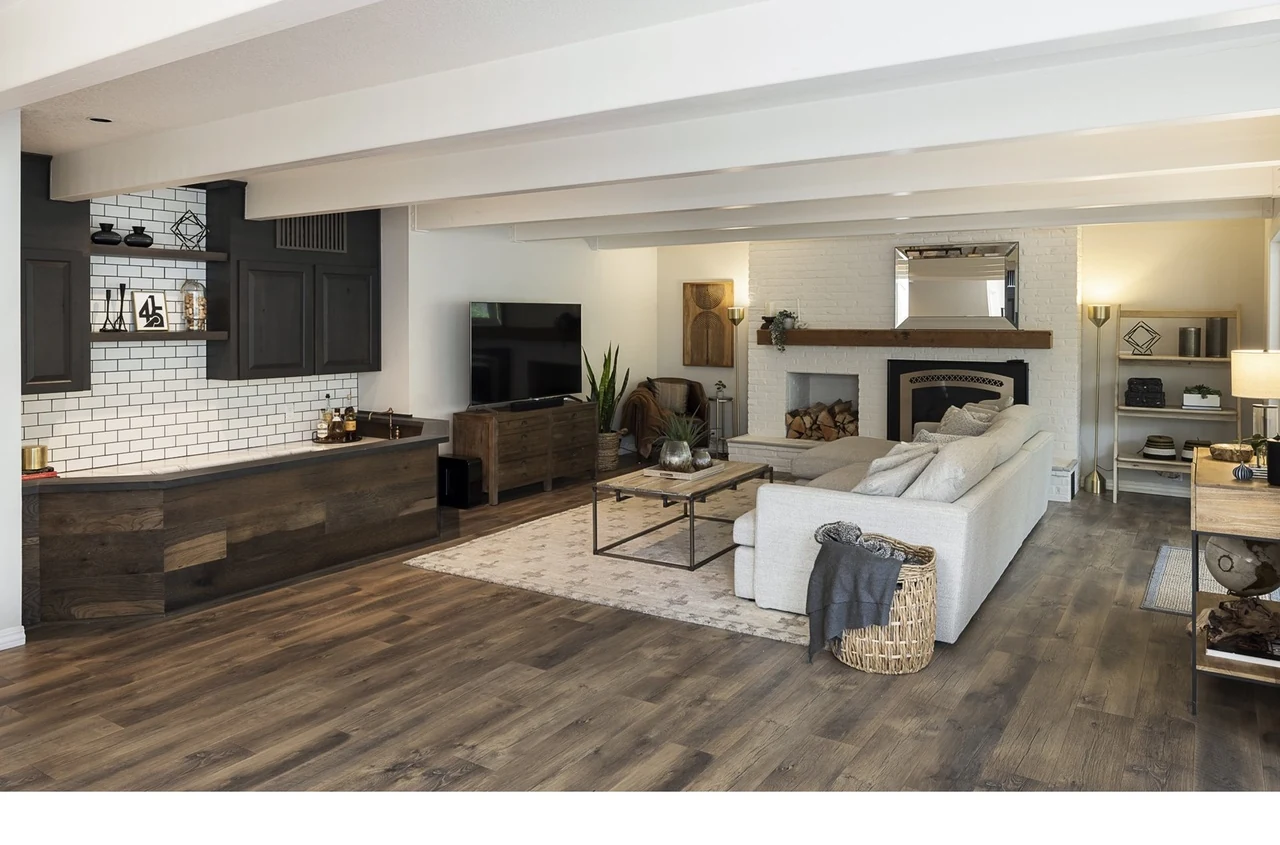
- A mid-grade luxury vinyl plank in a light, neutral, low-sheen color through the entry, hall and main living space. It photographs well, it survives showings, and it does not commit the buyer to a taste.
- A plain neutral carpet in the bedrooms with a decent pad. The pad is what makes a cheap carpet feel like a good one underfoot, and it is the first thing dropped from a bargain quote.
- Nothing loud. No strong gray, no heavy graining, no dark high-gloss. Anything with an opinion narrows your buyer pool.
Timing, which is where this usually goes wrong
The floor has to be in before the photographer, and the photographer comes earlier than most sellers plan for.
Working backwards: material has to be ordered and delivered, the house has to be empty enough to work in, and the job itself takes what it takes — see how long new flooring actually takes. Tile is the long one. Carpet is the short one. Starting that conversation two weeks before listing is tight; a month is comfortable.
It is also easier to do this while the house is still furnished than people expect. We move furniture, and rooms can be sequenced so you are never without somewhere to sleep.
What we would tell you in your own living room
We do a lot of these, and the advice splits cleanly. If there is damage or smell, replace it — it is not really optional, it is just a question of when you pay for it. If the floor is only dated, put the money into the entry and main living space and leave the bedrooms alone.
The estimate is free and we bring the samples to your house, which matters here because a floor chosen under showroom lighting can look completely different in an Oregon living room in February. If the timing is tight, financing through Wisetack lets the job happen before the listing rather than after the price reduction. If you are weighing where to buy the floor, flooring store vs big-box sets out what changes with a local showroom.
Norman's has been fitting floors out of Newberg since 1978, and every install carries a ten year labor warranty. Book an estimate and we will tell you honestly which of the two situations above you are in — including when the answer is to leave it alone.