Color is the decision people spend the longest on and the one they are least prepared for. The sample board in the showroom tells you what a floor looks like under bright lights, clean, with nobody walking on it. It does not tell you what that floor looks like on a wet Tuesday in February with a dog in the house.
We have watched a lot of people live with the color they chose. This is what we have learned about light floors, dark floors, and the range in between that tends to age best.
What a dark floor shows
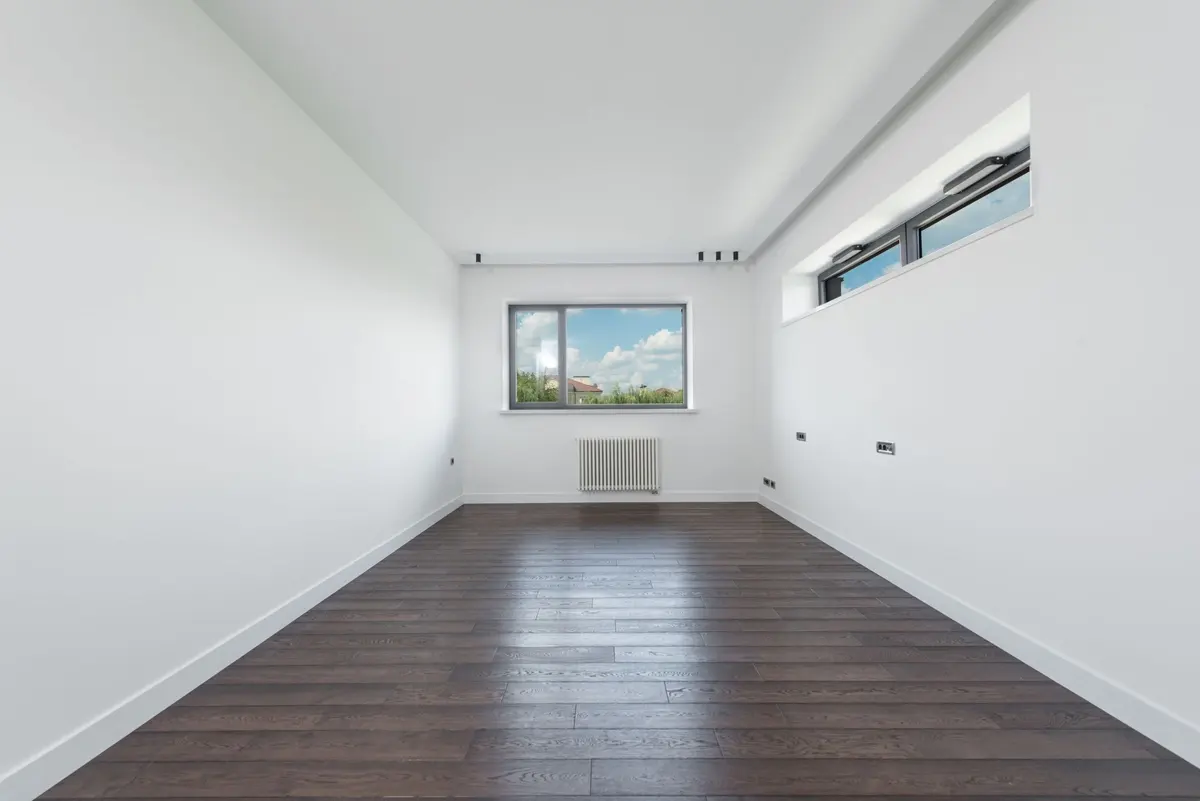
Dark floors look rich and dramatic in a photograph, and they are the hardest color to keep looking that way.
- Dust. Household dust is pale. On a dark floor it shows within a day, especially where light comes in low across the room.
- Pet hair, if the pet is anything lighter than black.
- Scratches and scuffs. On wood-look vinyl plank and laminate, a scratch in the surface catches light and reads as a pale line. The same scratch on a mid-tone floor with plenty of grain is often invisible.
- Footprints and smears, particularly on a floor with any sheen to it.
None of that makes a dark floor wrong. In a formal room with light traffic and no pets it can be beautiful. In a kitchen that feeds a family and a Labrador, it means sweeping more than you want to.
What a very light floor shows
The opposite problem. Pale floors hide dust well, but they show what gets tracked in.
- Dirt in the traffic lanes, at the back door, in front of the sink, down the hallway.
- Dark pet hair.
- Spills and stains on light carpet, which is the most unforgiving combination of all.
Very light, almost white floors also date in a way people do not expect. The pale grey and whitewashed looks that were everywhere a few years ago already look of their time in some houses.
The range that hides the most
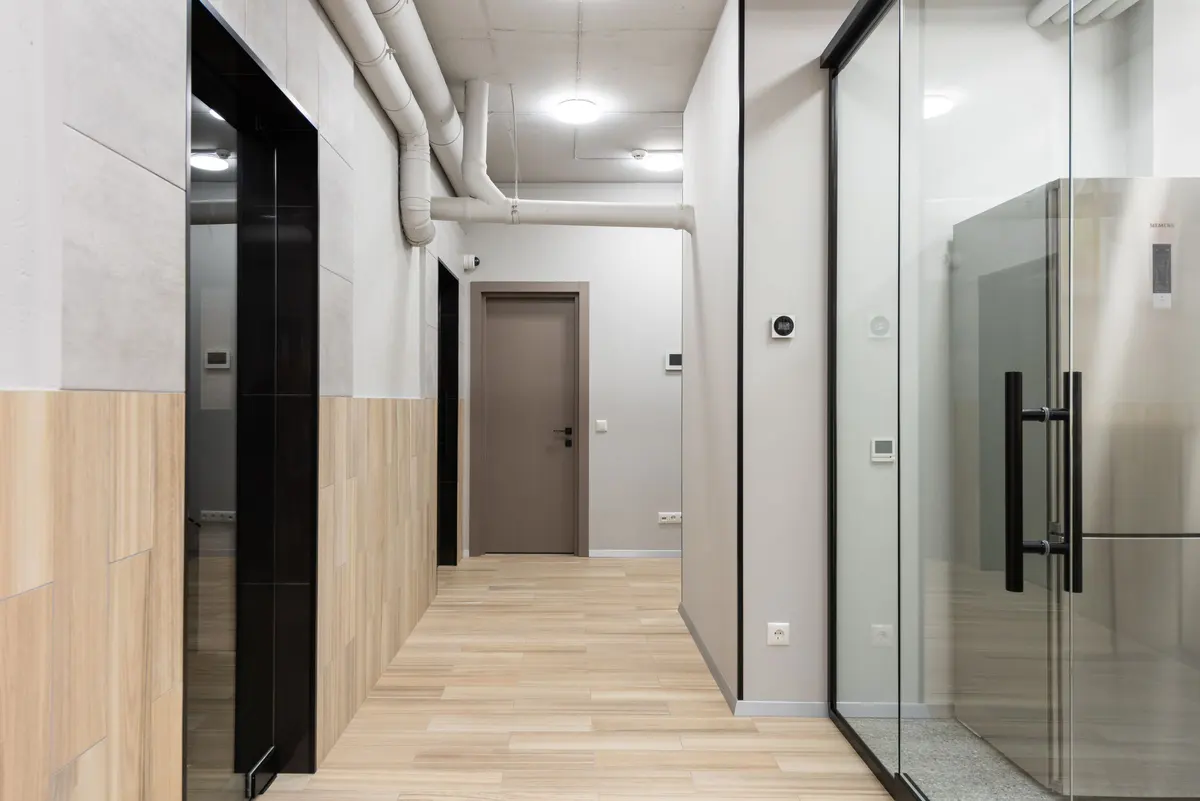
If the goal is a floor that looks clean between cleanings, the answer is almost always a mid-tone with plenty of variation in it. Natural oak shades, warm honey and soft brown tones, planks with visible grain and a few darker and lighter boards mixed through. Variation is what hides things: a speck of dust, a scuff or a dog hair disappears into a floor that is not one flat color.
The same logic applies to carpet. A solid, single color shows every mark. A heathered or flecked carpet, where more than one shade of yarn is twisted together, hides traffic and small stains far better. Choosing carpet that lasts covers the rest of what makes a carpet hold up.
Sheen matters almost as much as color
People choose a color and forget about the finish, but the finish decides a lot of what you see. A low-sheen, matte surface hides scratches, footprints and the haze from cleaning. A glossy surface shows all three, at any color. Most good wood-look vinyl plank and laminate now comes in a low-sheen finish with an embossed texture that follows the grain, and that texture does as much to hide wear as the color does.
Light, and the grey months
A floor reflects or absorbs a surprising share of the light in a room. Through the long grey stretch of a Willamette Valley winter, a dark floor in a north-facing room can make the whole space feel dimmer, and a lighter floor bounces back what daylight there is. In a bright south-facing room with big windows, you have more freedom to go darker.
The practical rule is to look at samples in the room they are going into, on the floor rather than held up against a wall, at more than one time of day. A plank that looks warm and honey-colored under showroom lights can look flat and grey on an overcast morning, and the reverse.
Undertone decides whether it works with everything else
Two floors can be equally light or equally dark and still look completely different, because one has a warm, yellow or red undertone and the other a cool, grey one. The floor has to sit with cabinets, trim, doors, stair treads and furniture that are already in the house. A cool grey floor under warm oak cabinets almost always looks like a mistake. Matching flooring through the house covers undertone in more detail, especially where a new floor meets an old one.
A few other things that change the answer
- Pets. Match the floor roughly to the animal. A mid-tone hides most coats. Pet-friendly flooring covers the rest.
- Room size. Lighter floors make a small room feel bigger. A dark floor can make a large open room feel more grounded.
- Plank width and length. Longer, wider planks show less pattern and make a room look calmer; narrow planks in a busy pattern can make a small room feel crowded.
- Resale. If you expect to sell in the next few years, a warm mid-tone is the safest choice. Replacing flooring before you sell covers what buyers actually respond to.
- Sun. Strong sun through a big window can change the color of some floor coverings over time, and a rug left in one place can leave its outline. Ask about fade resistance for a sunny room.
How to choose without regretting it
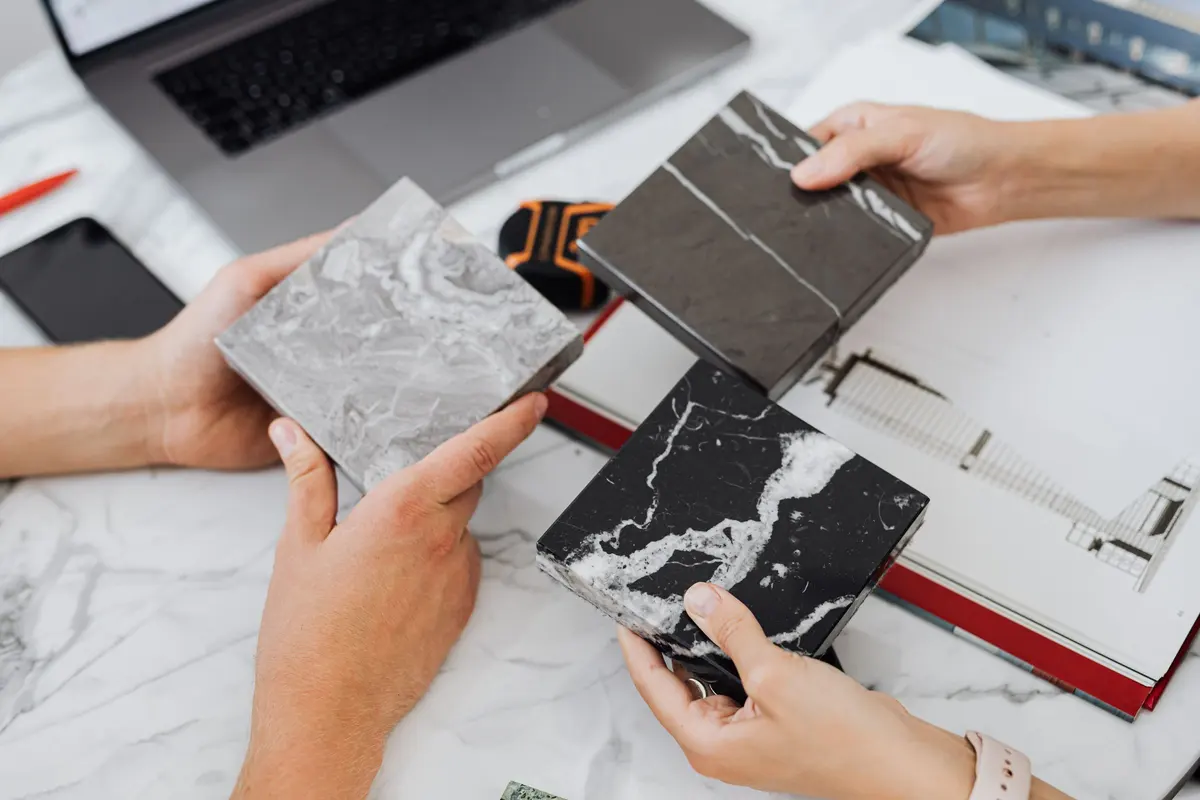
Narrow it to two or three, then take large samples home rather than small chips, and leave them on the floor for a few days. Walk on them. Drop a little dust on them. Look at them at breakfast and after dark with the lamps on. If you want to see a whole room before you commit, our room visualizer puts real products into a photo of your space.
At a free in-home estimate we bring samples into your rooms so you are judging them in your own light, next to your own cabinets, rather than ours. What happens at a flooring estimate explains how that visit works. Norman's has been helping people around Newberg choose floors since 1978, from the showroom at 900 Industrial Parkway, open Monday to Friday, 9am to 5pm. Call (503) 538-8242, or book a free estimate online.
Related services: luxury vinyl plank flooring, laminate and carpet.