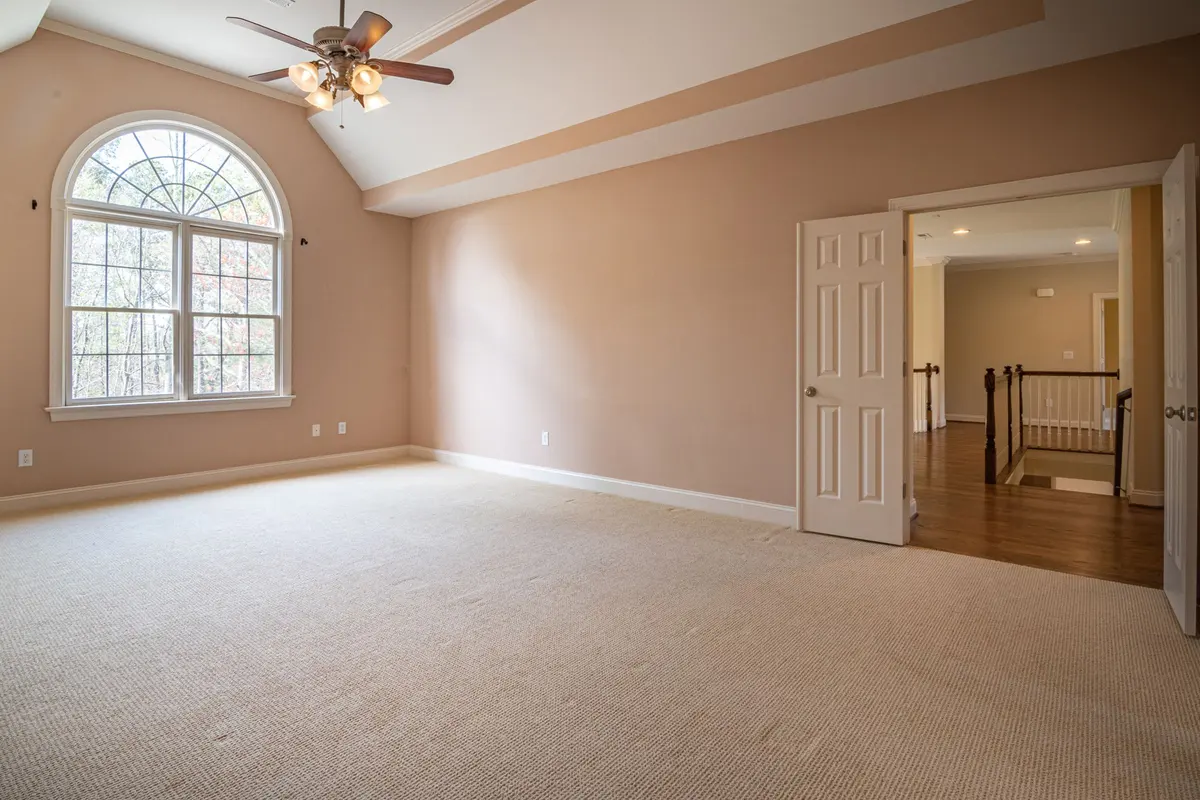
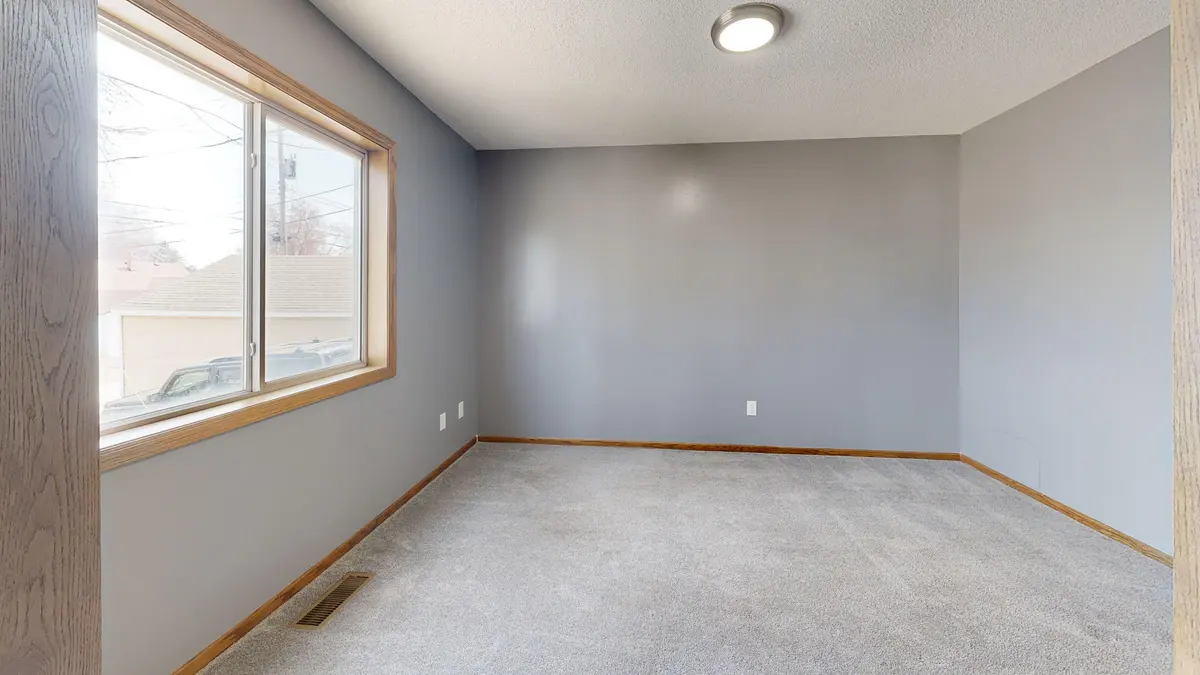
Walk along a wall of carpet samples and the labels start to blur: plush, Saxony, textured, frieze, loop, berber, cut and loop, pattern. They sound like brands or colors. They are neither. Each one describes what happens to the yarn at the surface of the carpet, and that one detail decides a surprising amount about how the carpet will live in your house.
This is the short version of the conversation we have at the sample wall in Newberg, and the one we have again in your living room at the estimate.
Every carpet starts as loops
Carpet is made by stitching yarn through a backing in long rows of loops. What the mill does next decides the style. If the tops of the loops are left alone, it is a loop carpet. If they are sheared off, each loop becomes two upright tufts and it is a cut pile. If some loops are cut and some are not, it is a cut and loop.
Everything else, from plush to frieze to berber, is a variation on those three: how long the tufts are, how tightly the yarn is twisted, and whether the loops are all the same height.
What style does not tell you is quality. A cheap carpet and an excellent one can share a style. Density, twist and fiber still decide how it wears, and choosing carpet that lasts covers those. Style decides how it looks while it is wearing.
Cut pile styles
Plush and Saxony. Short, dense, evenly cut tufts that stand straight up, giving a smooth, velvety surface. It is the most formal look in carpet and it feels lovely barefoot. The catch is that it shows everything: every footprint and every vacuum stroke, because the tufts lean and catch the light differently. That is fine in a primary bedroom or a formal room nobody crosses much. It is tiring in a family room.
Textured cut pile. The most common carpet in Willamette Valley homes, and for good reason. The tufts are twisted and set so they lean in slightly different directions, which breaks up the surface. Footprints and vacuum marks mostly disappear into it. It is the sensible default for bedrooms, family rooms and hallways, and it is what most people picture when they say carpet.
Frieze. A cut pile with very tightly twisted, longer yarn that curls over at the ends, so the surface looks nubby and casual rather than smooth. Because the tight twist resists crushing, a good frieze hides traffic well and is a strong choice for a busy family room. It reads as relaxed and slightly retro, which suits some houses and not others.
Shag. Long, loosely twisted tufts. It has come back in rugs more than in wall-to-wall, and it is a poor choice anywhere with traffic, because long tufts mat down and are hard to vacuum.
Loop styles
Level loop. Every loop the same height, uncut. It is tight, hard-wearing and firm underfoot, and it shows almost no footprints. You see it in offices because loops resist crushing well. In a house it suits basements, bonus rooms and home offices, where rolling chairs and traffic matter more than softness.
Berber. Strictly, berber describes a look rather than a construction: a loop carpet, usually with a thicker, knobbly yarn and often flecked with darker colors. People use the name for most loop carpets now. It hides soil well, which is why it was everywhere in the nineties, and a good one wears for a very long time.
Multi-level loop. Loops at two or more heights, arranged into a pattern or texture. It adds visual interest and does a good job of hiding traffic lanes, because the surface was never uniform to begin with.
Cut and loop
Some loops sheared, some left whole, usually in a pattern: a subtle geometric, a stripe, a tonal swirl. It is the most decorative carpet construction and it is very good at disguising wear and spots, because the eye reads the pattern rather than the marks. Many of the patterned carpets people fall for at the premium end are cut and loop.
The loop problem: pets and snags
This is the most important part of the page if there is a dog or a cat in the house.
A claw can hook a loop and pull it. Because a loop carpet is stitched in continuous rows, a pulled loop can draw out the loops beside it and leave a run, sometimes called zippering. Cats that like to scratch will find a loop carpet quickly.
A cut pile has no loops to catch, so a claw slides through it. For most houses with pets, that makes a textured cut pile or a frieze the safer choice, and it is the main reason we steer pet owners away from berber even though berber hides dirt well. Pet-friendly flooring goes through the rest of that decision, including the fiber and the pad.
Stairs are their own case
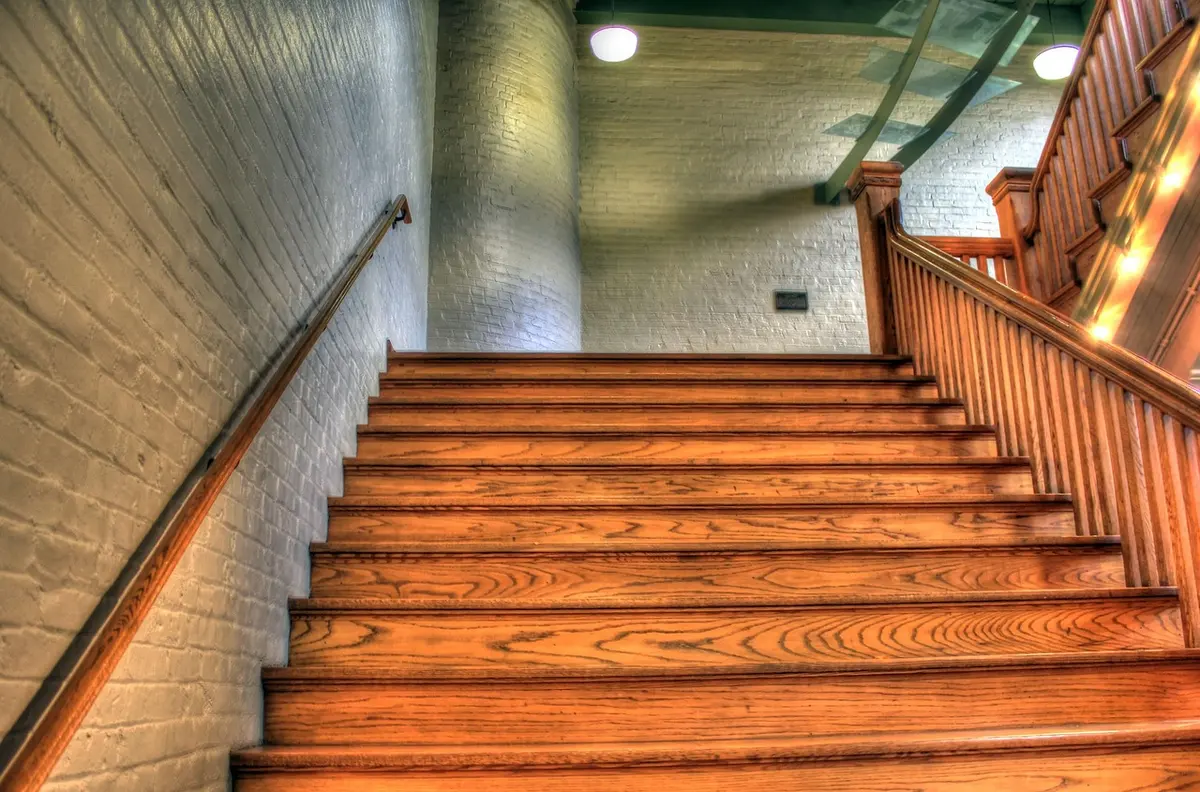
Carpet on stairs is bent over the nose of every tread, and that bend opens up the face of the carpet. On some loop and patterned styles the backing shows through along the nose, a look the trade calls grinning. A dense cut pile or a tight frieze hides it best. A carpet that looks perfect flat on the sample board can look thin on a stair nose, so if the stairs are part of the job, bend the sample over the edge of a step at home before choosing. Stair flooring covers the rest.
Matching style to room
- Primary bedroom: plush or a soft textured cut pile. Barefoot room, low traffic, buy the feel.
- Kids' and guest bedrooms: textured cut pile. Hides marks, forgives a lot.
- Family room and hallway: textured cut pile or frieze, chosen for density. Loop works too if there are no pets.
- Stairs: dense cut pile or frieze.
- Basement, bonus room, home office: level loop or a tight berber if there are no pets. Otherwise a dense textured cut pile.
- Formal living or dining room: plush, or a patterned cut and loop if you want the carpet to be part of the design.
It is entirely normal to use two or three styles in one house. The colors just need to sit together where they meet at a doorway.
Seeing them side by side
The quickest way to understand carpet styles is to put your hand on them. The showroom at 900 Industrial Parkway in Newberg is open Monday to Friday, 9am to 5pm. Or book a free in-home estimate and we will bring samples to your rooms, so you see them in your own light, on your own stairs, next to your own dog. Call (503) 538-8242 or book online.
Norman's has been installing carpet across Portland's Westside and Yamhill County since 1978, and every install carries a ten year labor warranty on top of the manufacturer's warranty on your materials.
Related services: carpet and stairs and trim.