People come into the showroom asking which floor is the best one. It is a fair question and there is no answer to it, because a floor is not good or bad in the abstract. It is good or bad at the specific thing a specific room is going to do to it.
So here is the house, room by room, with what each one actually demands and what we would put down.
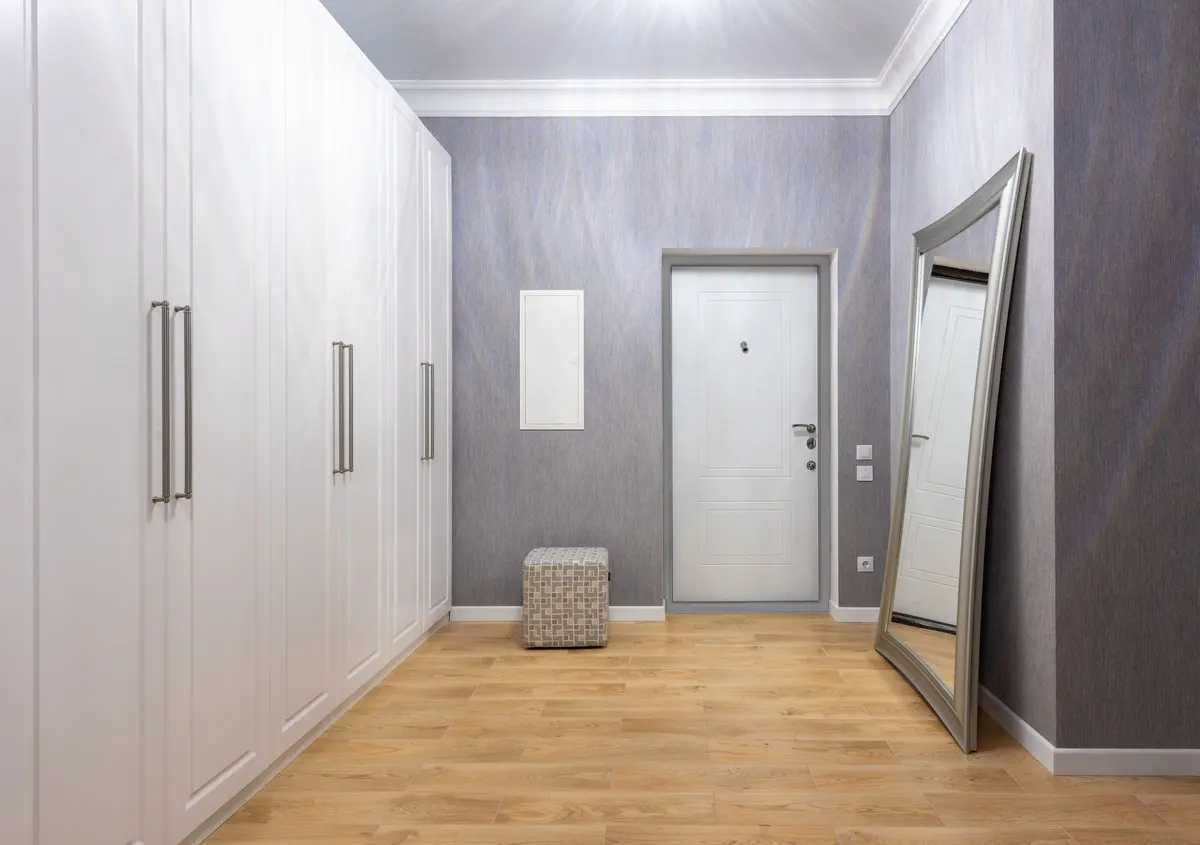
Entry and mudroom
The hardest working square footage in the house, and the smallest. Everything arrives here wet, gritty and unwiped, and it arrives in an Oregon winter for months at a time.
What the room does to a floor: grit, which is abrasive; standing water from boots; salt and mud; and it is the first thing anybody sees.
Put down: tile if the budget stretches, because it is genuinely sealed and genuinely indifferent to water. Otherwise a rigid-core luxury vinyl plank with a thick wear layer. Carpet in an entry looks worn faster than anything else in a house.
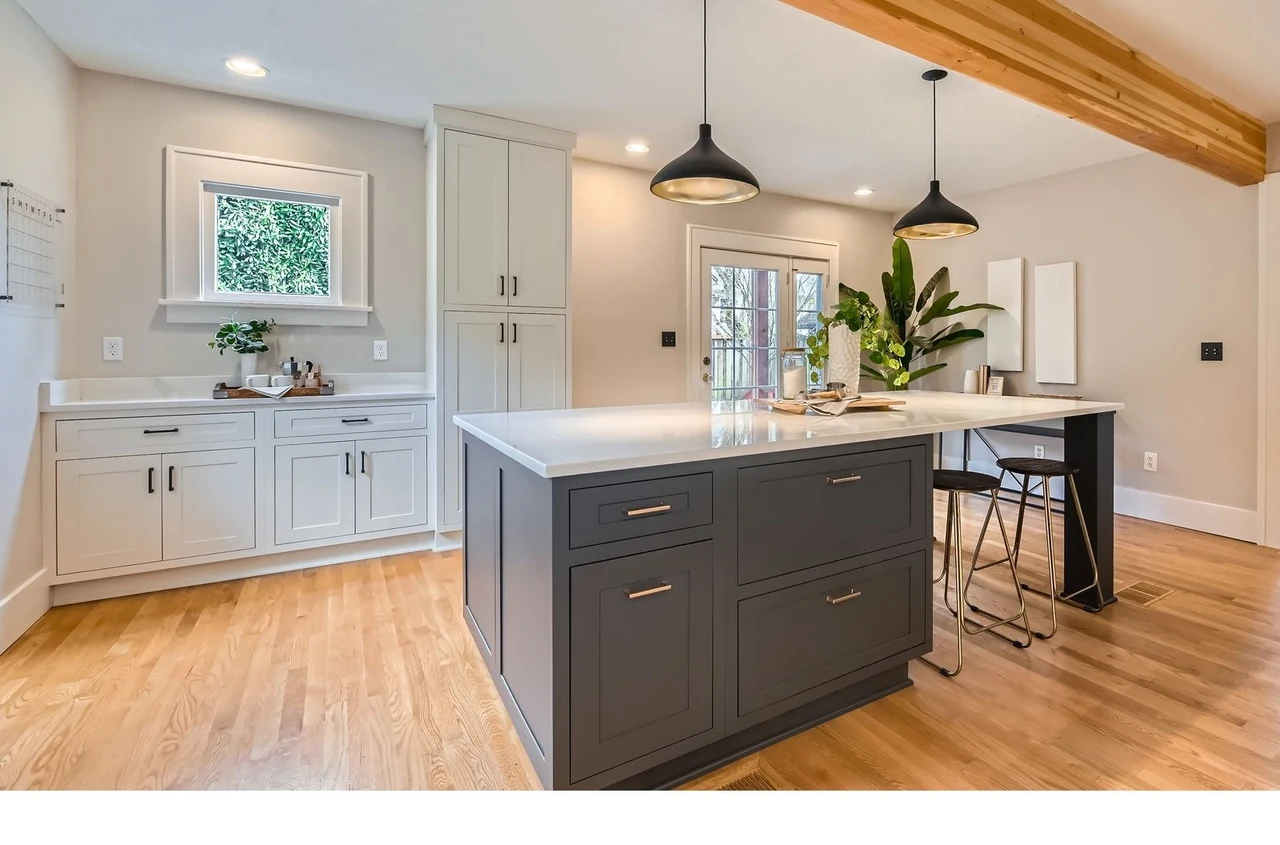
Kitchen
The room where the biggest mistake gets made, because people choose for looks and the kitchen is a wet room in disguise.
What the room does to a floor: dropped things, standing feet, the slow leak nobody sees behind a dishwasher or under a fridge line, and a hard surface underfoot for hours at a time.
Put down: luxury vinyl plank in most houses. It handles the leak risk, it is warmer and quieter than tile, and it is far kinder to stand on. Tile if you want the hardest-wearing option and do not mind the cold. Laminate is the one to think twice about here — not because a wiped spill hurts it, but because the risk in a kitchen is the leak that runs unseen for a week, and laminate's fiber core swells permanently when that happens. The full comparison is in laminate vs luxury vinyl plank.
If the kitchen opens into the living space — and on the Westside most of them now do — the material should carry through both. A change of floor at an open archway looks like a mistake.
Living and dining
Dry, busy, and the room the house is judged on. This is where you can choose for looks, and it is the one room where we would tell you laminate is often the better floor than vinyl.
What the room does to a floor: traffic, furniture, sunlight through big windows, and being looked at.
Put down: laminate or luxury vinyl plank. Laminate at this price point usually looks more convincingly like wood and feels more solid underfoot, because the core is dense and rigid rather than flexible. Vinyl wins if there are pets or a route from the back door through this room.
Sunlight is worth a mention. South-facing rooms with big glass fade a floor over years and swing its temperature daily, which is an argument for a rigid core and against anything with a warranty exclusion for direct sun. Ask; it is in the fine print.
Bedrooms
Low traffic, bare feet, and where comfort beats durability for once.
Put down: carpet, in most houses, for most people. It is warmer, it is quieter, and a bedroom does not put enough traffic through a floor to justify anything tougher. The specification that matters is density and the pad rather than how soft the sample feels in your hand — that is covered in choosing carpet that lasts.
Hard flooring in bedrooms has become fashionable and it works fine, particularly with allergies in the house. If you go that way, budget for rugs, because an uncarpeted bedroom is a loud bedroom.
Bathrooms
The only rooms in the house where water is not a risk but a certainty.
Put down: tile, or luxury vinyl plank. Nothing with a wood-fiber core, ever — not laminate, not engineered wood. In a full bathroom with a shower, tile is the right answer and the waterproofing behind it matters more than the tile itself; see what a tile shower actually involves. In a powder room, vinyl plank is completely reasonable and a great deal cheaper.
Laundry and utility
Same rules as a bathroom, with one addition: this is the room where an appliance will one day fail and dump forty gallons on the floor.
Put down: tile or glued-down vinyl. Avoid floating floors here if you can, because a floating floor's seams are exactly the route that water takes to the subfloor.
Basements and rooms on a slab
Less common on the Westside than crawlspaces, but they exist, and the rule is firm.
What the room does to a floor: moisture passing upward through concrete, even concrete that looks and feels bone dry, plus a bigger temperature swing than the rest of the house.
Put down: luxury vinyl plank with a rigid core, over a moisture test. Not laminate. Not solid wood. And do the moisture test rather than skipping it — a slab that reads high changes the underlayment and sometimes the product, and finding that out afterward means doing the floor twice.
Stairs
Skill, not material, decides how stairs turn out. Treads, risers, nosings and the landing transitions are where a flooring job is obviously well done or obviously not, and they are priced by the tread rather than by the square foot for exactly that reason.
Put down: carpet, usually. It is quieter, it is safer underfoot, it is kinder to older dogs and small children, and one flight can be replaced without touching the rest of the house. Hard flooring on stairs looks superb and demands matched nosings and a very careful installer. Either way, see stairs and trim.
In split-levels and daylight basements — West Linn is full of them — you see two levels at once from the stairs, so the flooring on both wants deciding together rather than one at a time.
Home office and bonus rooms
The forgiving room. Low traffic, no water, rarely on show. This is where an entry-level product is genuinely fine, and where it makes sense to save money you then spend on the entry and the kitchen.
One thought: if the room has a desk chair on casters, hard flooring or a chair mat. Casters destroy carpet in a small circle.
The rule that ties the whole house together
Choosing well room by room produces a house with five different floors in it, which looks like it was renovated in pieces — because it was.
The way through it is to pick one material for everything that connects, meaning the entry, hall, kitchen and living space, and then let the closed rooms differ. Bedrooms can be carpet. Bathrooms can be tile. Those changes happen behind doors, which is where a change of floor reads as deliberate rather than accidental. Where and how to make that break is the whole subject of matching flooring through a house.
We will walk it with you
Deciding this from a website is hard, and deciding it from a showroom is not much easier, because a sample under retail lighting tells you very little about how it will look in your hallway in January. We bring the samples to the house and walk the rooms with you, at no charge. For how the Willamette Valley climate and the age of your house change these answers, see the best flooring for Oregon homes.
Norman's has been doing this out of Newberg since 1978, serving Sherwood, Tigard, Tualatin, Wilsonville, Lake Oswego, West Linn, McMinnville and the rest of Portland's Westside. Every install carries a ten year labor warranty. Book an estimate.