
Commercial flooring
A commercial floor is bought on different terms to a domestic one. Nobody is choosing it for how it feels underfoot on a Sunday morning — it has to take a working week, year after year, and it has to go in without shutting the business down for longer than it can afford. Those two constraints decide most of what we specify.
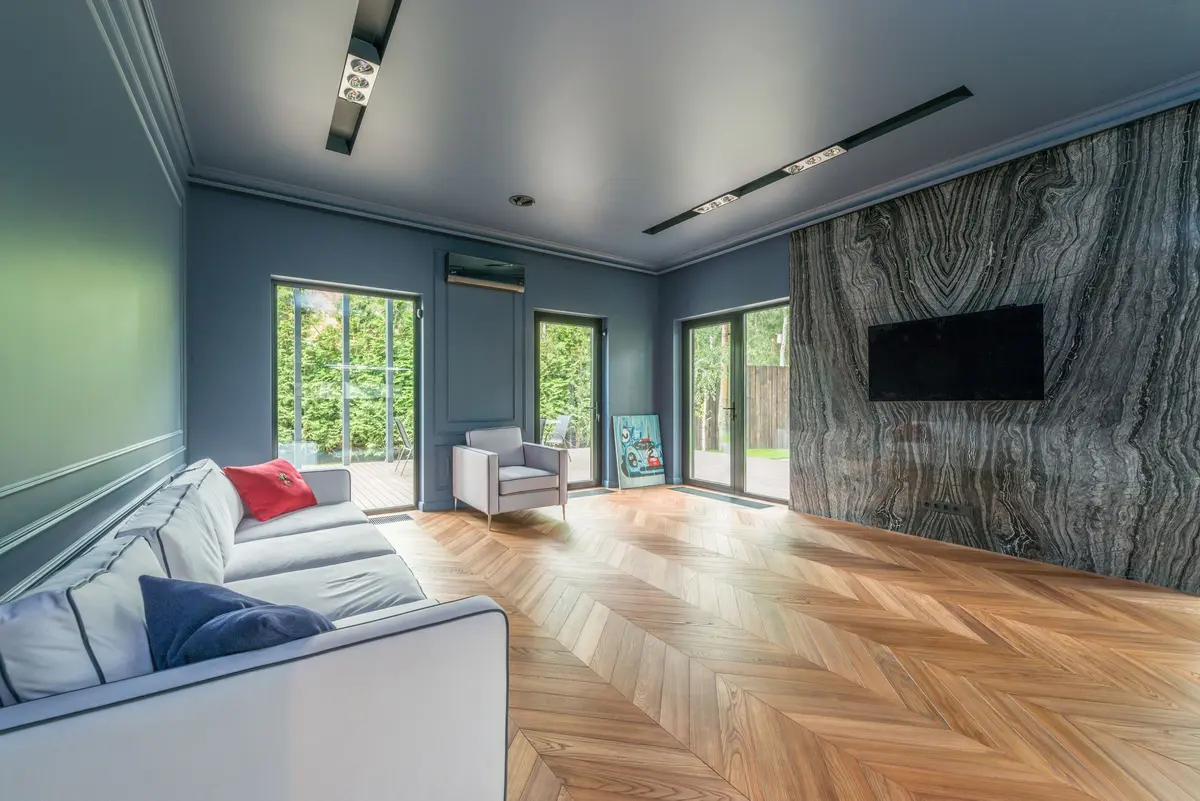
Specify for the traffic, not for the sample board
The way a commercial floor is chosen tends to go wrong in the opposite direction to a domestic one. Nobody is picking it because it feels nice underfoot. They are picking it from a board, at a price per square foot, for a space they are trying to fit out on a budget — and the number that matters most, which is what it costs to keep looking acceptable for ten years, is nowhere on the board.
Traffic is the variable that decides everything. A meeting room used twice a week and a corridor that the whole building walks four times a day are not the same specification, even though they are ten feet apart and it is tempting to run one product through both. Running the cheap option everywhere means replacing the corridor twice while the meeting room is still fine. Running the expensive option everywhere means paying for durability in rooms that will never test it.
So the useful conversation is room by room, and it is short. Where does the grit come in, where do the wheels run, where does water land, and where is it simply people sitting down. We would rather walk a building with you and split the specification sensibly than quote a single product across a floor plan.
What's included
- On-site measure and a written, itemised quote before anything is ordered
- Materials specified for the traffic the room actually takes
- Work sequenced around your opening hours — tell us them at the estimate
- Old floorcovering lifted and hauled away
- Licensed with the Oregon Construction Contractors Board, CCB 103259
- 10 year labor warranty on our installation, plus the manufacturer warranty on the material
Entrances, corridors, offices and wet areas each want something different
Entrances do the hardest work in any commercial building, because everything that damages a floor arrives through them on the soles of shoes. Grit is abrasive, and every step grinds it into whatever is nearest the door. The floor immediately inside an entrance needs to be hard and dense, and it needs somewhere for that grit to be caught and held before it travels further into the building. Getting this one area right protects everything behind it.
Corridors and circulation take the same footfall without the grit, and they are where a resilient plank usually earns its place — hard-wearing, quiet enough, and repairable a plank at a time rather than a whole run. Offices and meeting rooms are the gentlest spaces in most buildings and the strongest case for carpet, which is doing acoustic work as much as anything else: a room of hard surfaces, glass and desks is exhausting to sit in, and a carpeted floor takes the edge off it.
Kitchens, washrooms, clinical rooms and anywhere a trolley runs want tile or a sheet or plank product with properly detailed junctions. The material matters less here than what happens at the edges and thresholds, which is where water gets underneath a floor and where a failure almost always starts.
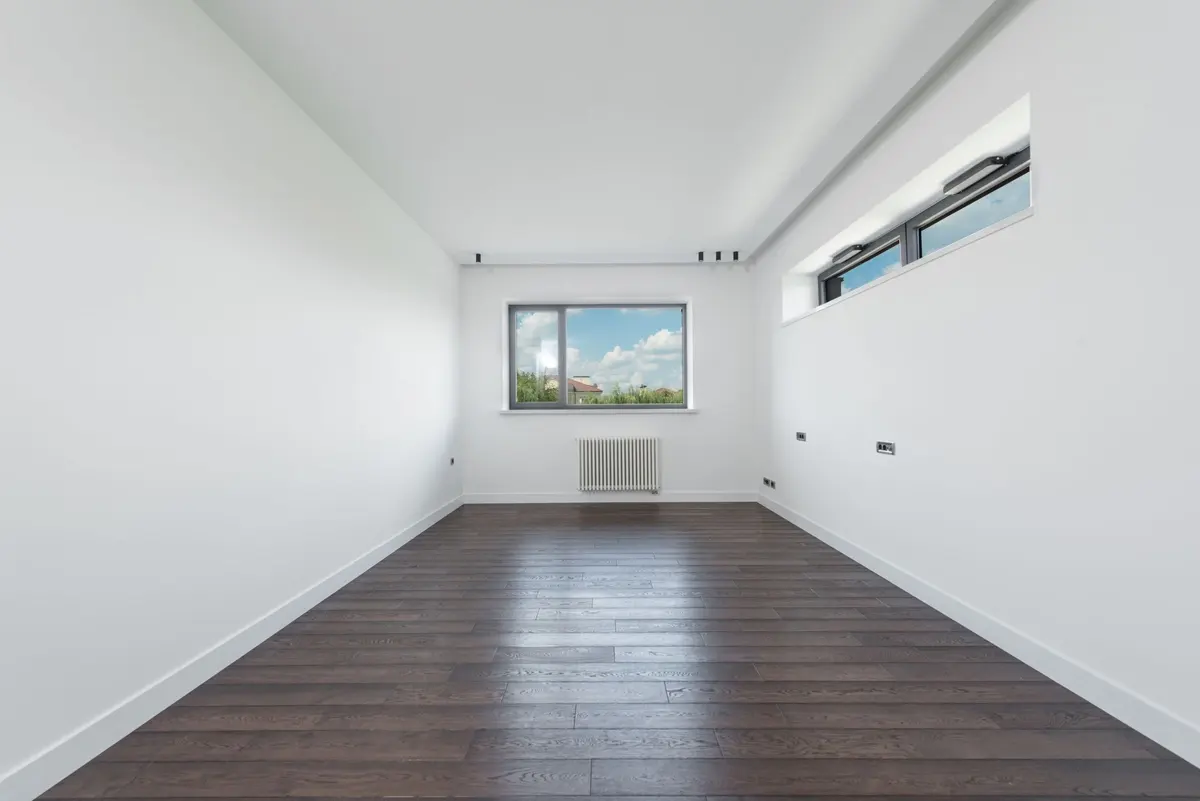
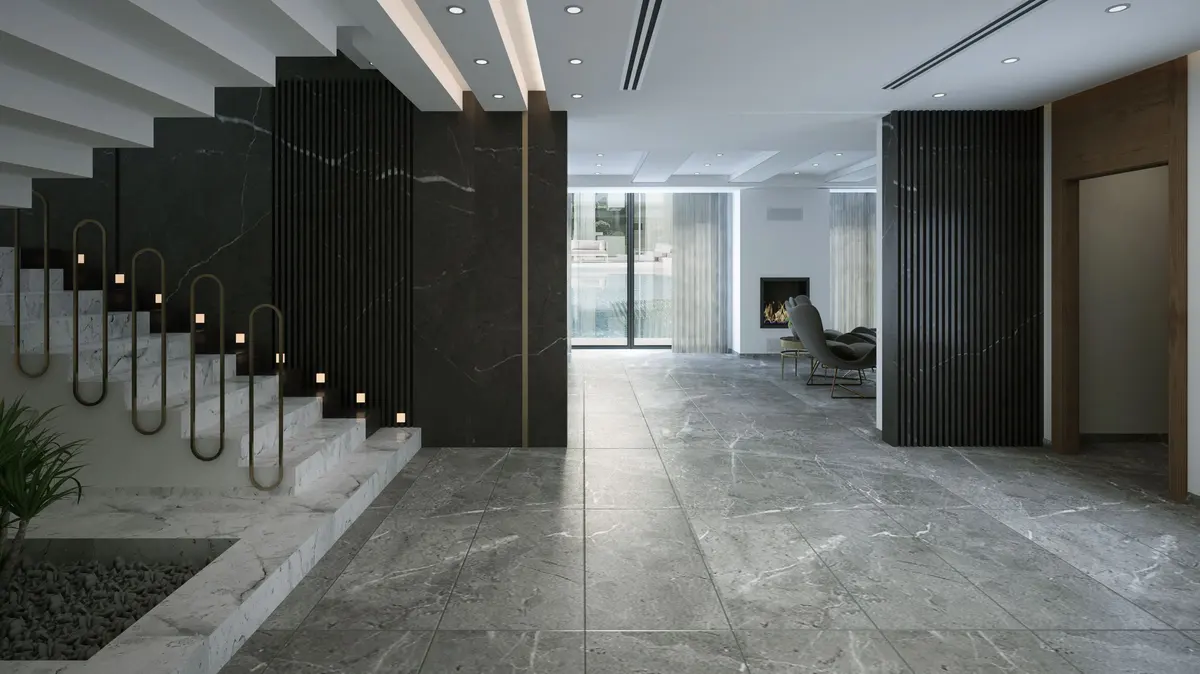
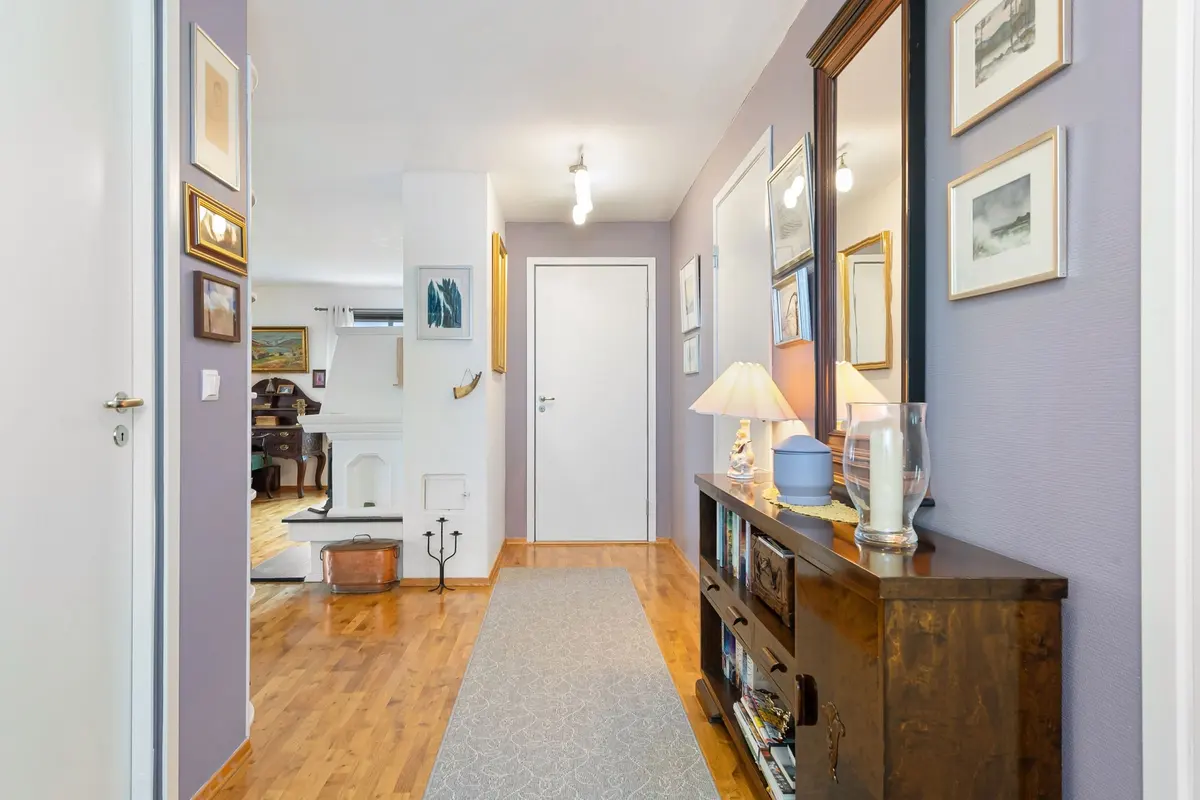
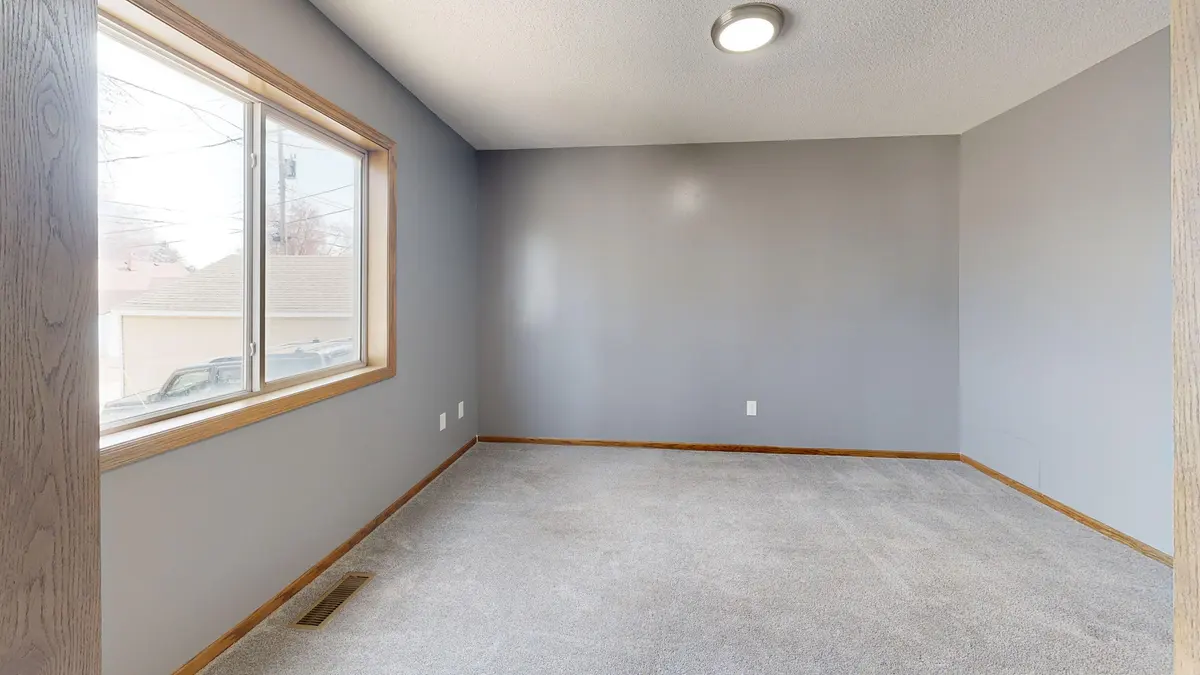
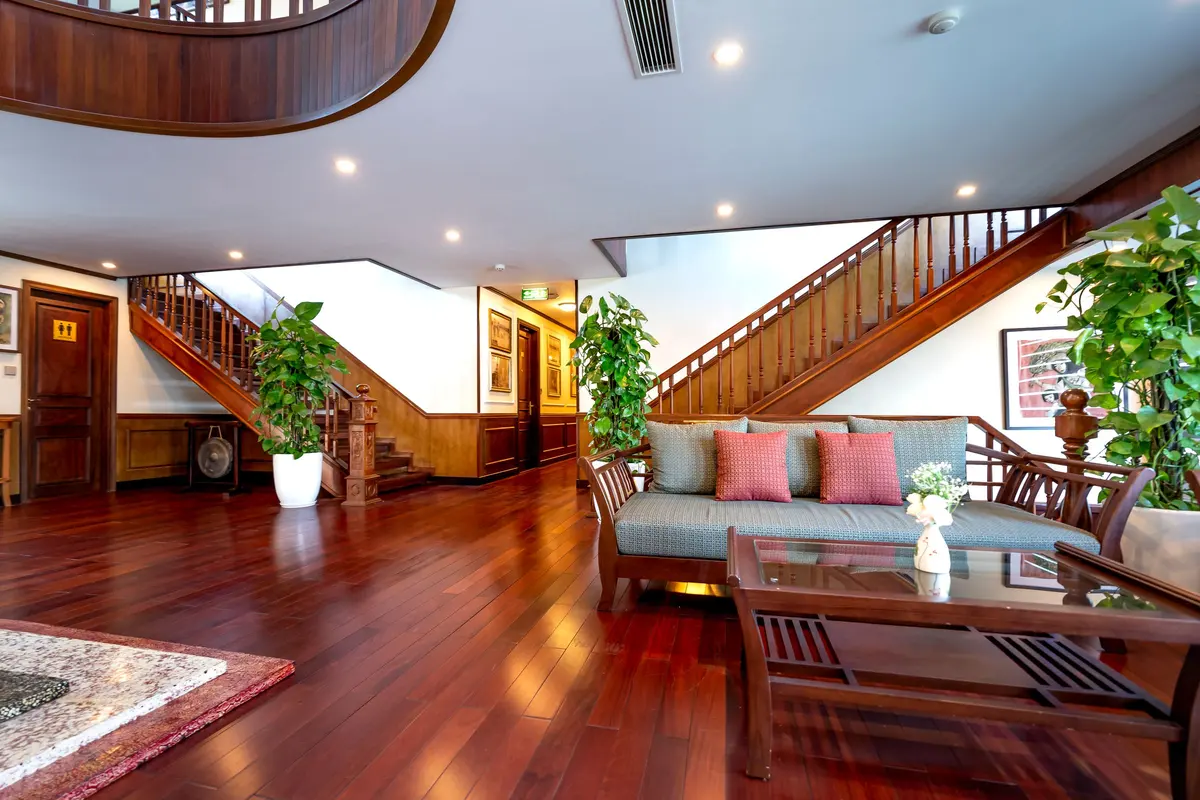
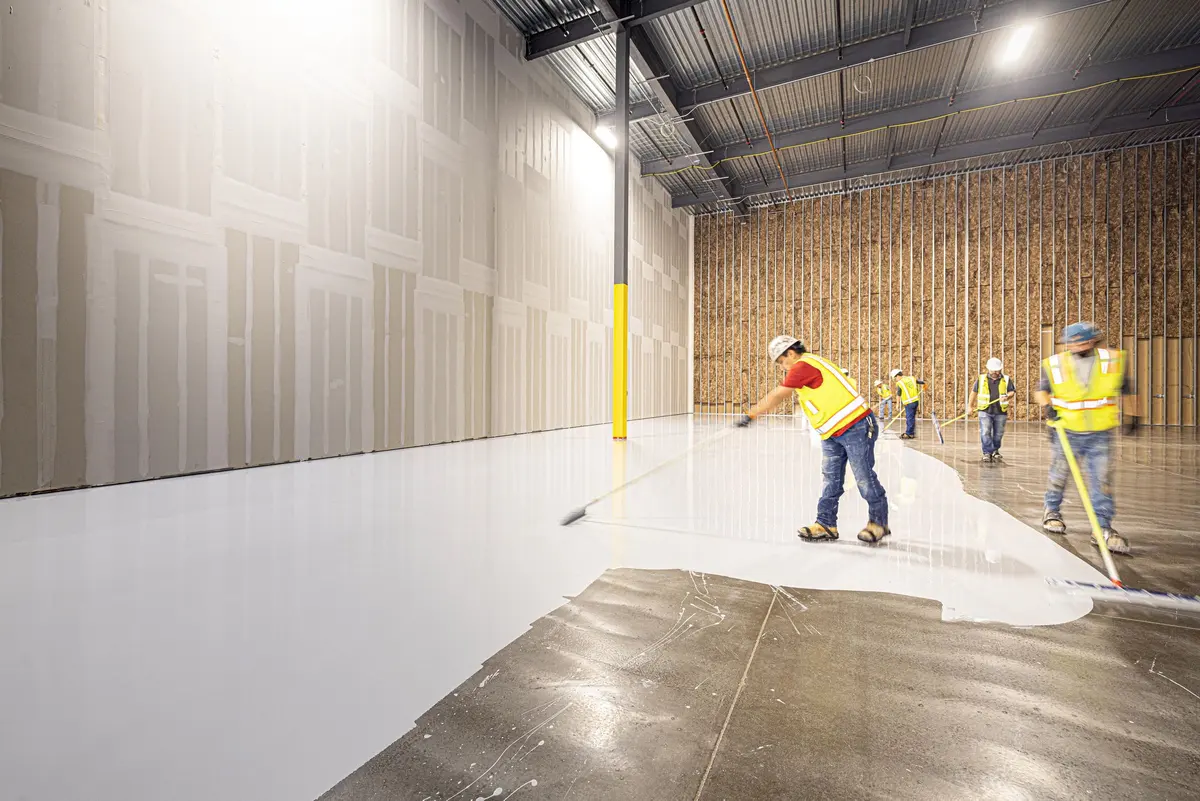
Commercial flooring we've installed
Subfloor first, then transitions, then the floor itself
Almost every commercial floor that fails early fails from underneath. Concrete slabs hold moisture and give it up slowly, and a resilient floor laid over a slab still doing that will bubble, lift or let go at the seams however carefully it was fitted. A slab has to be assessed for moisture and for flatness before anything is laid over it, and if it needs preparation that belongs in the quote at the estimate stage — not discovered on install day when your building is already half emptied.
Flatness matters more in a commercial space than most people expect. A dip that is invisible under a domestic carpet shows as a shadow line under a hard plank in a corridor with long sightlines and overhead lighting, and it concentrates wear in the low spot. Levelling is unglamorous and it is most of what separates a floor that still looks deliberate in year eight from one that looks tired in year three.
Then the transitions. Doorways, thresholds and the junctions between two materials are where a commercial floor is either detailed properly or is simply a hope — they take the most abuse, they are what trolleys hit, and they are the first thing to lift. We would rather spend the time at the thresholds than add a fifth photograph of the middle of the room, because nobody has ever had a floor fail in the middle.
What homeowners say
"Matt Norman was great to work with! Great customer service! Installation was smooth and easy. No complaints!"
Emilie Jacobs Verified Google Review "From our first step into the showroom to our bed being put onto the new carpet, everything was wonderful. Thanks to a great team."
Maggie Andrews Verified Google Review
Commercial flooring questions
How long will we have to close for?
Usually less than people expect, because the answer is a sequencing question rather than a total. Most buildings can be done a zone at a time — one room, one floor or one wing — so the business keeps running in the parts that are not being worked on. Tell us your hours and your quiet days at the estimate and we will build the phasing into the quote, so you are looking at a real schedule rather than a single number.
What flooring holds up best in a commercial space?
It depends almost entirely on what crosses it. Entrances and corridors take grit off the street and need a hard, dense surface and somewhere for that grit to land before it starts sanding the floor down. Offices and meeting rooms are gentler and can take carpet, which also does most of the acoustic work in a room full of hard surfaces. Wet areas and anywhere trolleys run want tile or a resilient plank. We would rather walk the space with you and specify room by room than sell one product across a whole building.
Our building is on a concrete slab. Does that change anything?
Yes, and it is the single most common reason a commercial floor fails early. Concrete holds moisture, and a resilient floor laid over a slab that is still giving it up will lift, bubble or let go at the seams no matter how well it was fitted. The slab has to be assessed before anything goes down over it, and any flattening or preparation it needs belongs in the quote rather than appearing as a surprise on install day. If a slab needs work, we will tell you at the estimate.
Can you work outside our business hours?
That is a conversation to have at the estimate rather than something we would promise blind. Evening and weekend work is possible on some jobs and changes the cost on others, and for a few materials it is the drying and curing times, not our crew, that set the schedule. Bring it up early and we will tell you honestly what it does to the price and the timeline.
Is Norman's the right size for our job?
We are a local flooring company that has been in Newberg since 1978, and the people who quote your job are the people who install it. That suits an office, a shop, a clinic, a church or a building of a few thousand square feet very well. If you are running a multi-site rollout across several states, we are not the right fit and will say so. If you have a building on Portland's Westside or in the Willamette Valley, we are.
Do you offer financing on commercial work?
Yes, financing is available on our work. Ask at the estimate and we will walk you through what is on offer at the time and what it would mean for the project, so the number you are comparing is the real one.
Flexible financing available
Commercial flooring by city
- Tigard Commercial flooring
- Lake Oswego Commercial flooring
- McMinnville Commercial flooring
- Tualatin Commercial flooring
- Wilsonville Commercial flooring
- Newberg Commercial flooring
- Woodburn Commercial flooring
- Sherwood Commercial flooring
- King City Commercial flooring
- Beaverton Commercial flooring
- West Linn Commercial flooring
Other floors we install
-
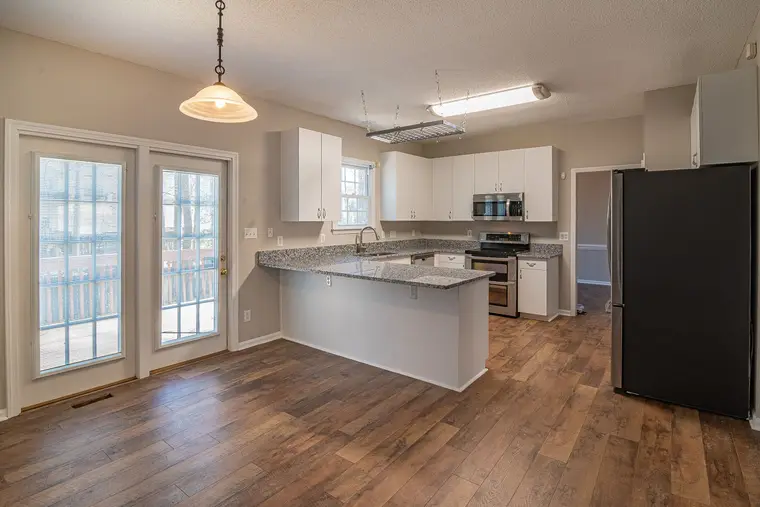
Luxury vinyl plank (LVP)
Luxury vinyl plank installed throughout Newberg and the surrounding valley — waterproof, hard-wearing and warm underfoot.
Learn more -
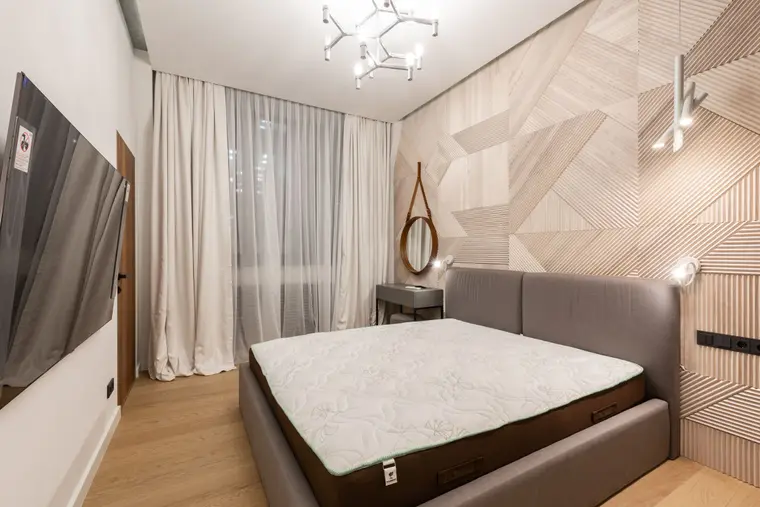
Laminate
Laminate flooring supplied and installed around Newberg — a hard, realistic surface that has come a long way since the 1990s.
Learn more -
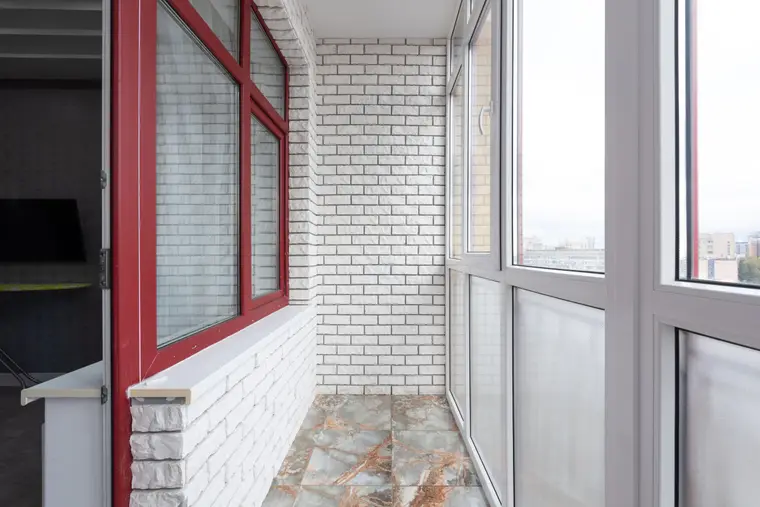
Tile
Tile work around Newberg with a particular specialty in tile showers — including the waterproofing behind them that nobody ever sees.
Learn more -
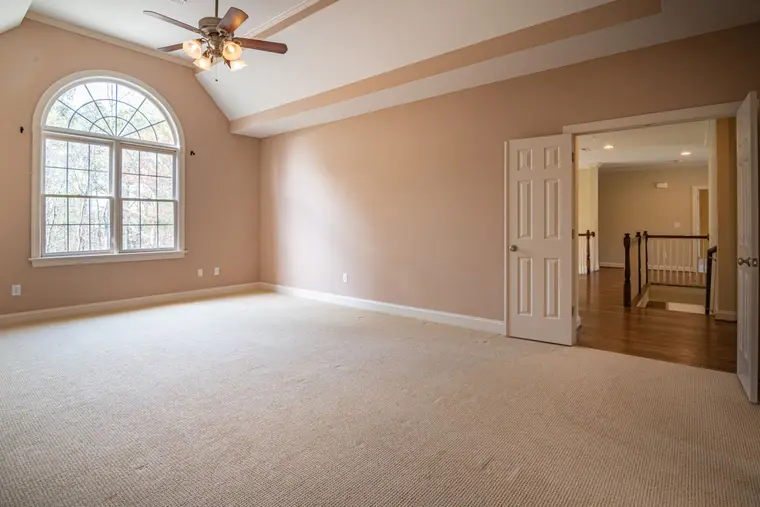
Carpet
Carpet supplied and installed across Newberg and the Willamette Valley, from bedroom re-carpets to whole houses.
Learn more -

Floor removal & demo
Floor removal and demolition around Newberg — the old floor out, the subfloor assessed, and the mess taken away with it.
Learn more -
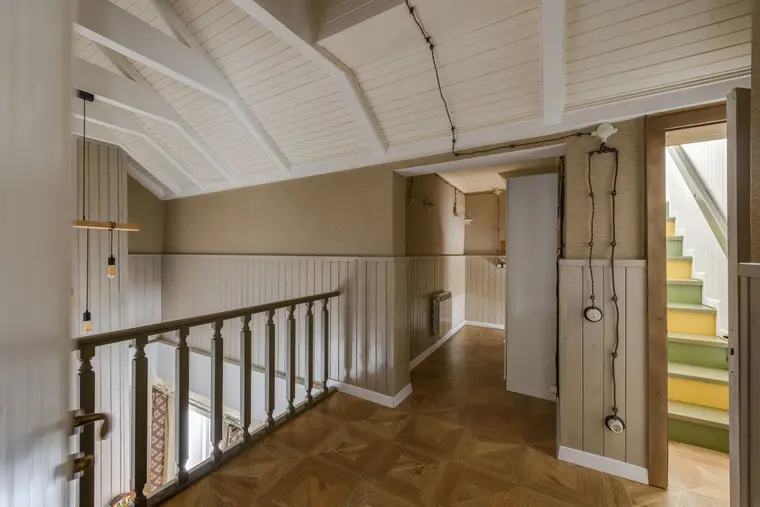
Stairs & trim
Stair and trim work across the valley's hillside towns — treads, risers, nosings and the transitions that finish a floor properly.
Learn more
Advice on commercial flooring
Should You Replace the Flooring Before You Sell? A Straight Answer
Your agent says new floors. Your budget says no. The honest answer turns on one question, and it is not the one most people ask.
Read the guide →Pet-Friendly Flooring: What Actually Survives Dogs and Cats
Pets wreck floors three different ways, and the floor that beats one of them often loses to another. Scratches, accidents and smell, sorted honestly.
Read the guide →Matching Flooring Through the House Without It Looking Patched
Doing one room at a time is sensible and affordable. It only goes wrong at the doorways. Here is where to change floors, where not to, and how to match a floor you can no longer buy.
Read the guide →
Ready for floors you'll actually love?
Free in-home estimate, clear pricing, and a crew that shows up when we say we will.